
Jonathan ben Uzziel (Hebrew: יונתן בן עוזיאל) was one of the 80 tannaim who studied under Hillel the Elder during the time of Roman-ruled Judea. He is the author of Targum Jonathan, and a book of kabbalah known as Sefer Migdanim has been attributed to him.
Jonathan ben Uzziel is mentioned several times in the Talmud. Jonathan rendered an Aramaic translation of the Major and Minor Prophets which still survives today. When he wished to procure a translation of the Hagiography, a Divine voice (Hebrew: bat ḳol) was heard telling him that what he had done was sufficient for humanity.
The Rabbis have taught: Hillel the Elder had eighty disciples; thirty of whom were worthy that the Divine Presence (Shekhina) rest upon them, like Moses our Master; thirty of whom were worthy that the sun stand still for them, like Joshua, the son of Nun; twenty of whom were average. The greatest of them all was Jonathan ben Uzziel; the least of them all was Rabban Johanan ben Zakkai. […] They said about Jonathan ben Uzziel that, in the hour that he would sit and study Torah, any bird flying over him would straightaway be incinerated.
Tomb
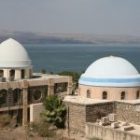
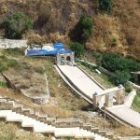
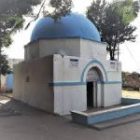
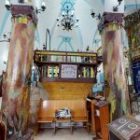
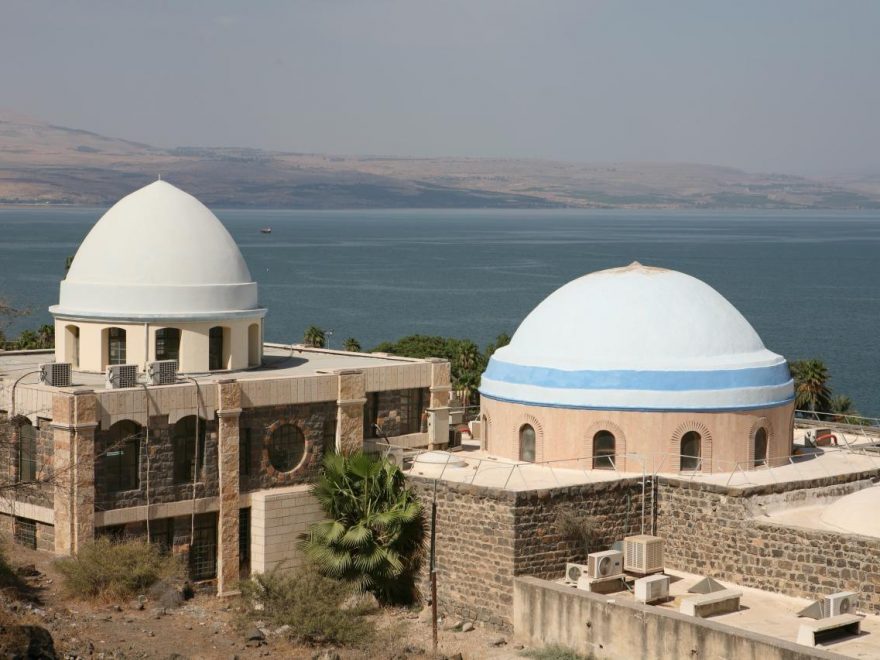
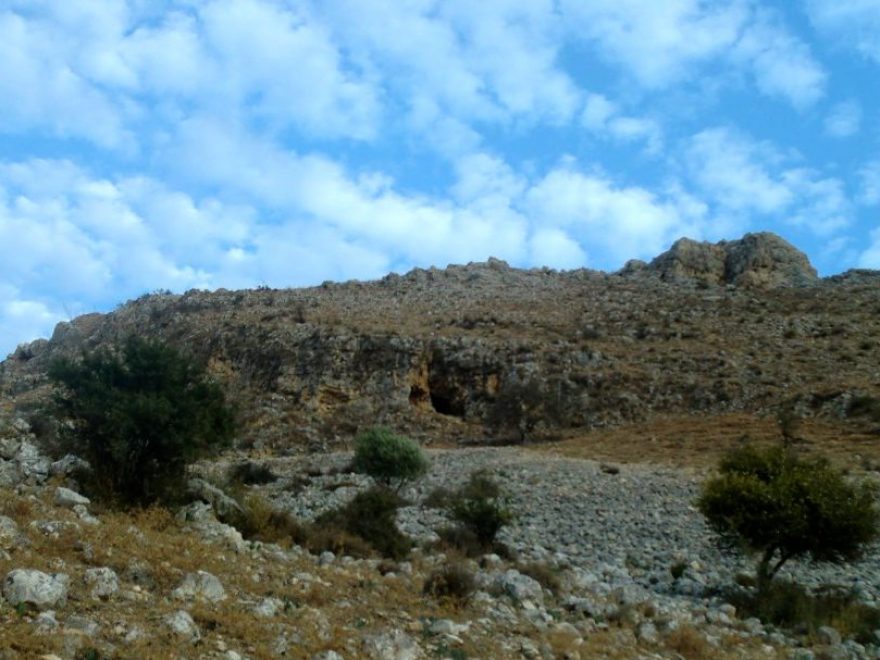
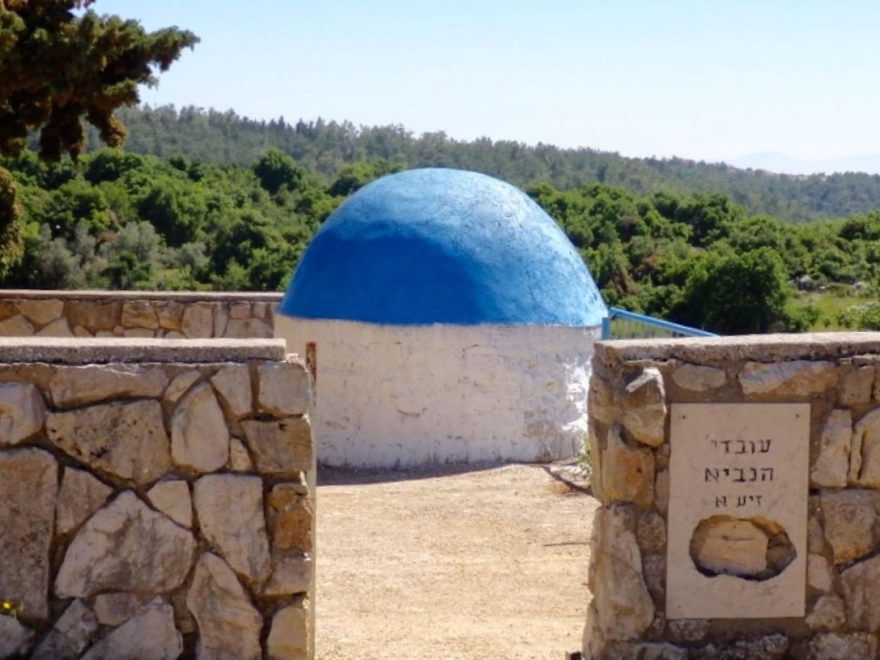
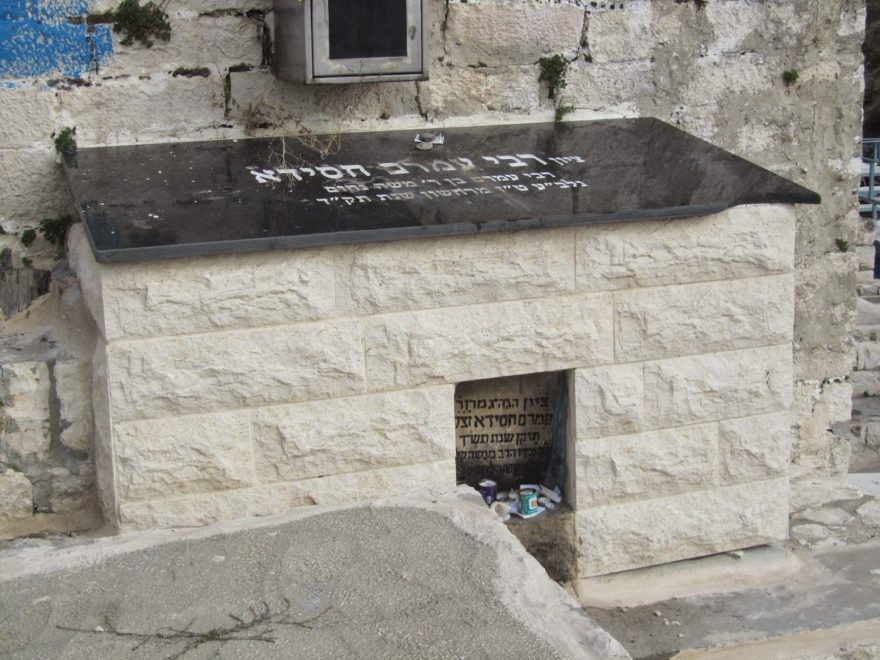
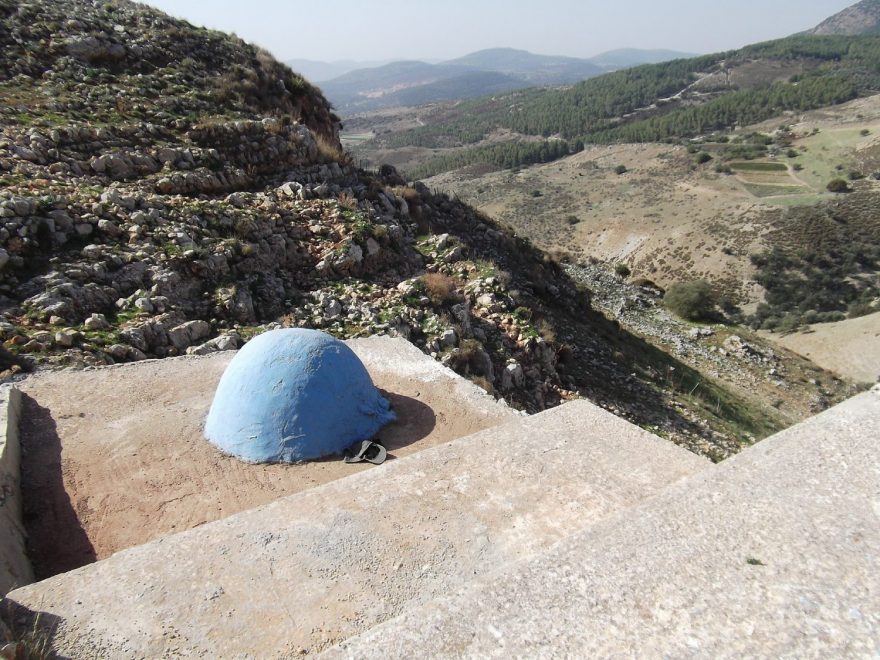
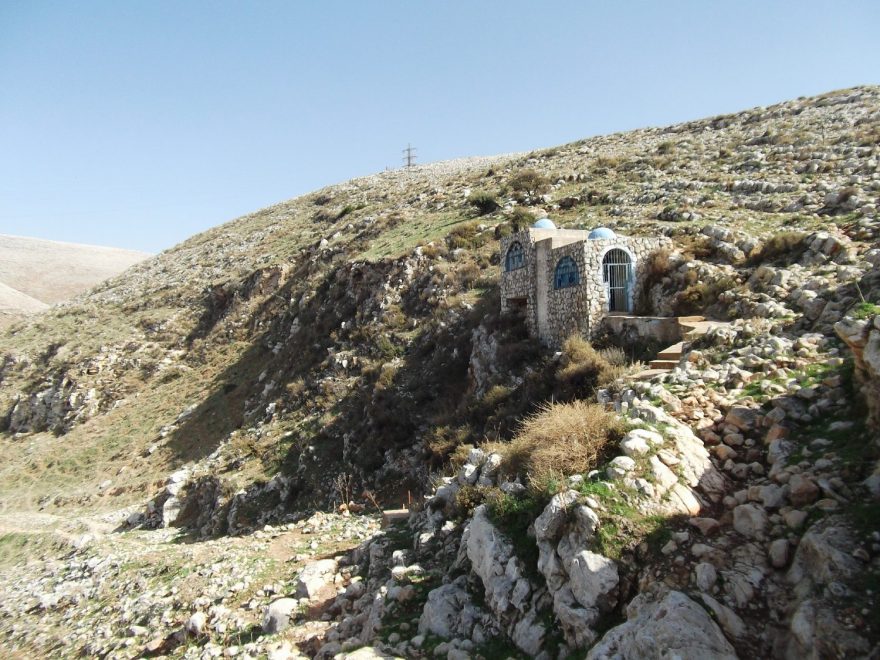
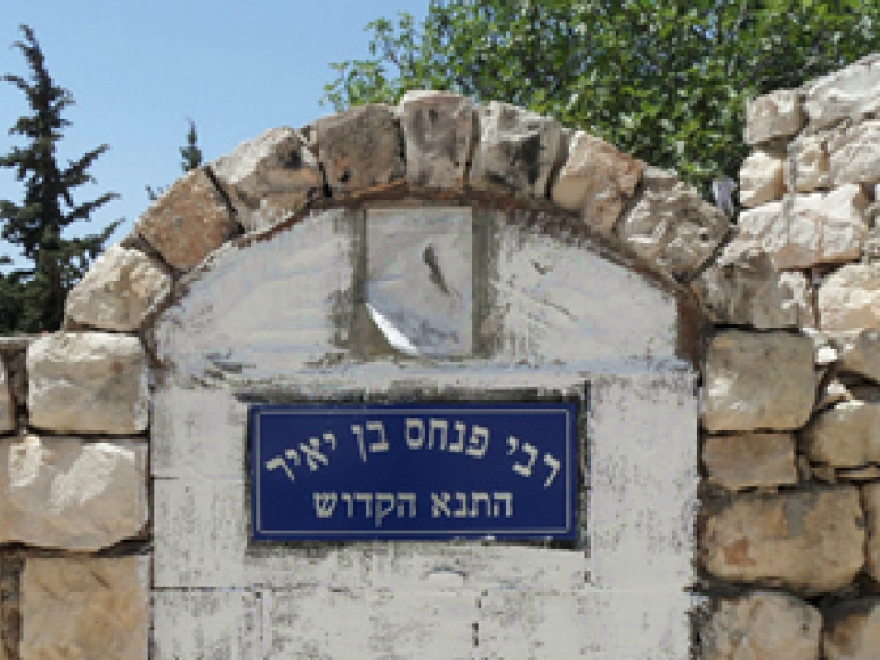
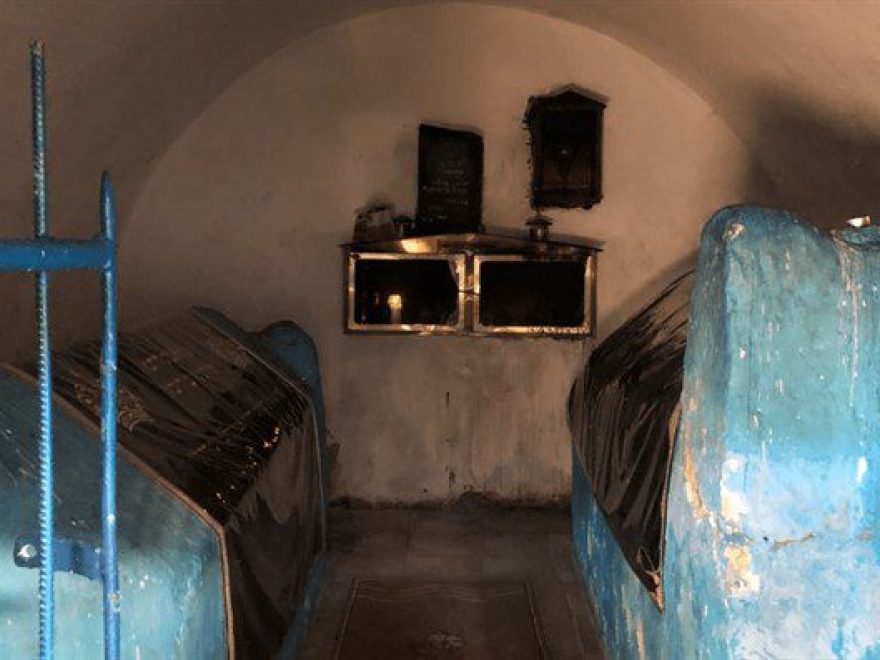
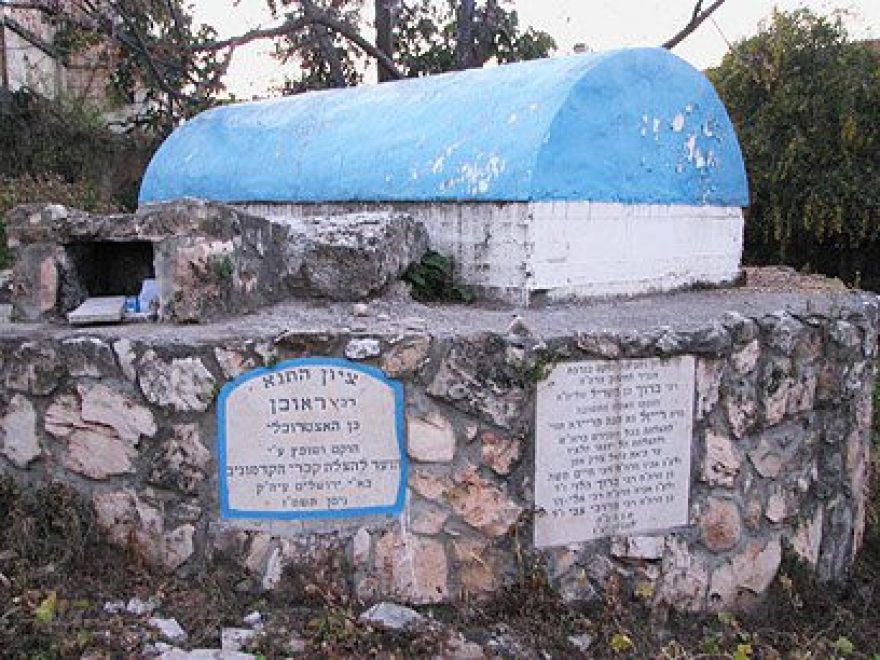
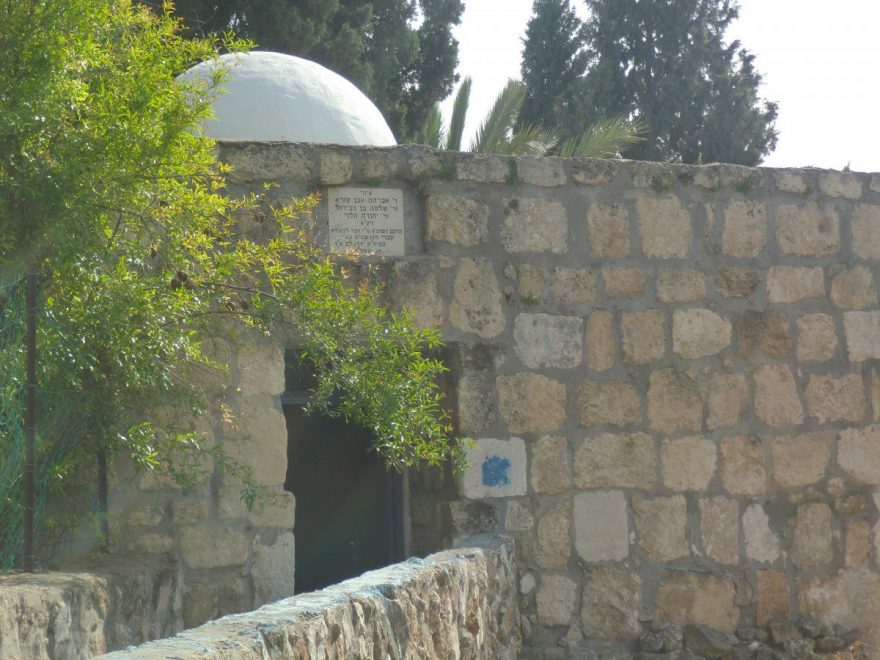
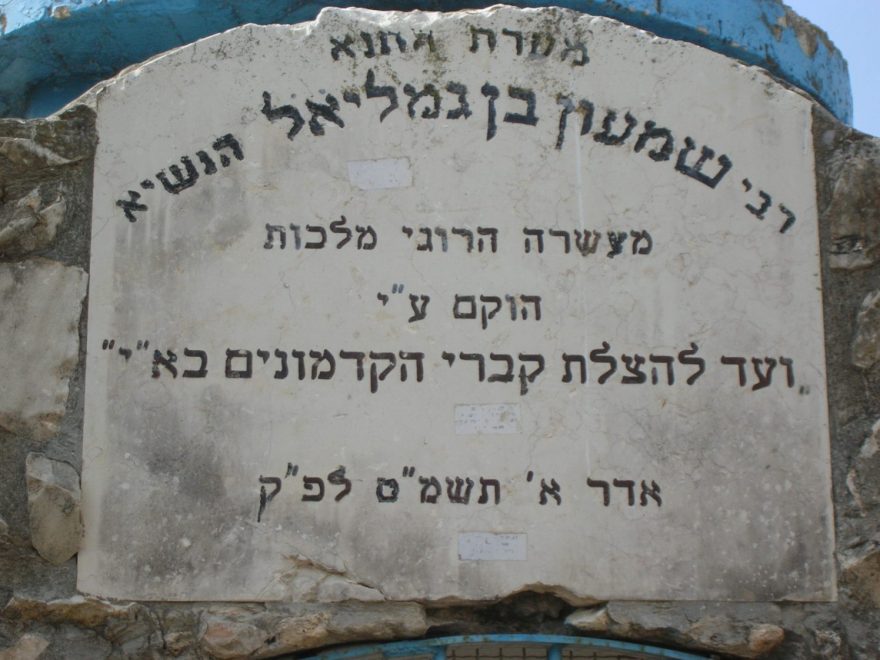
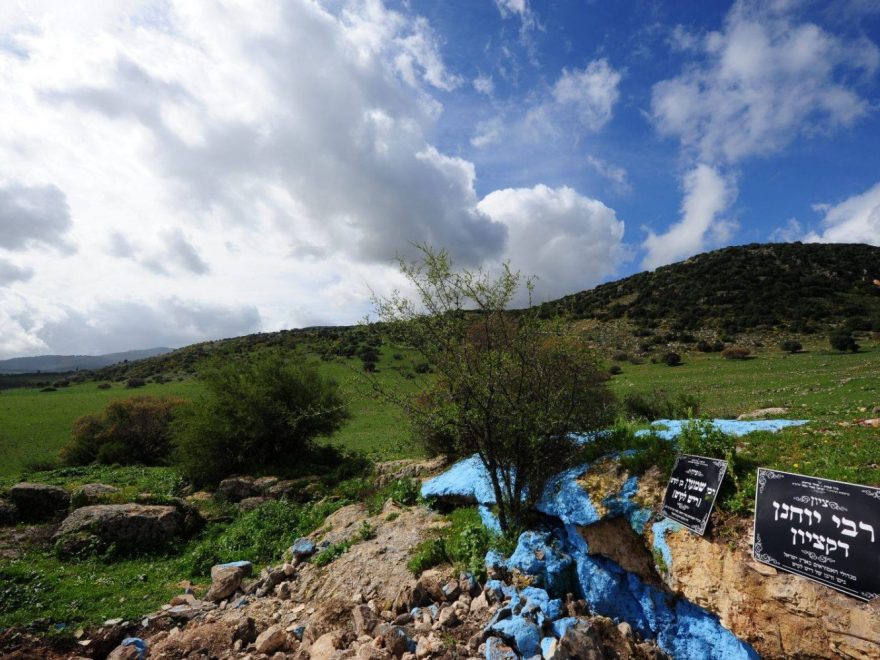
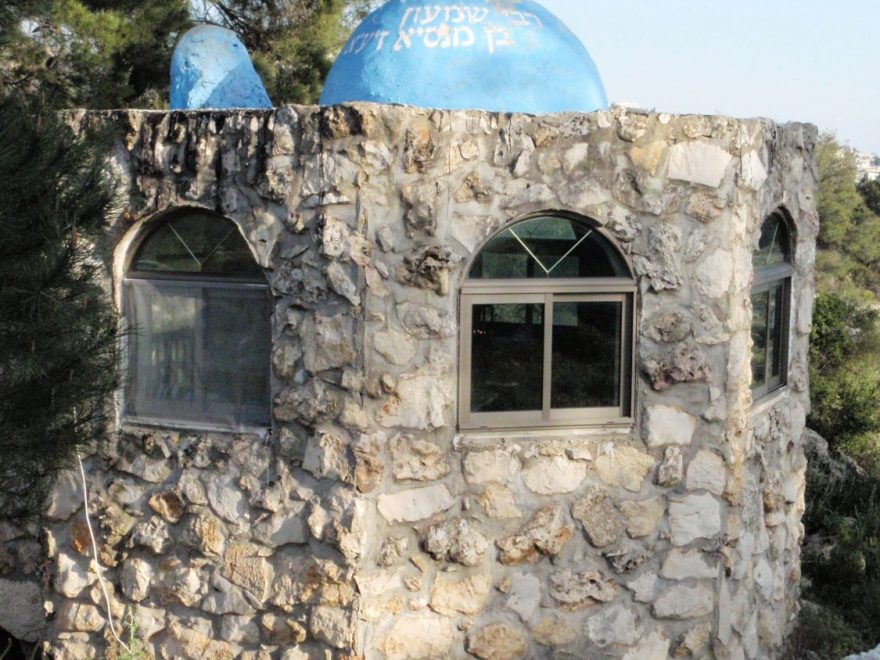
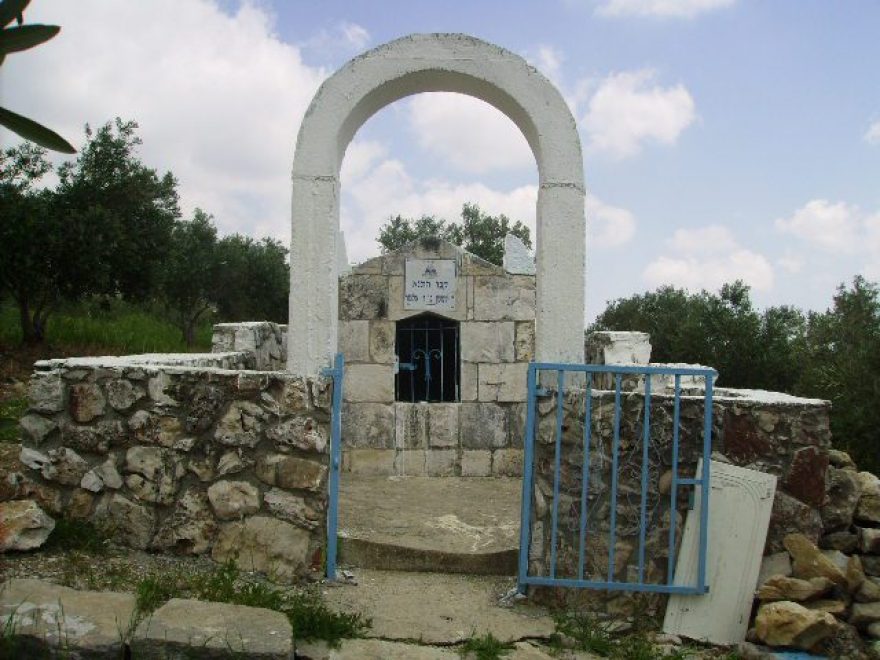
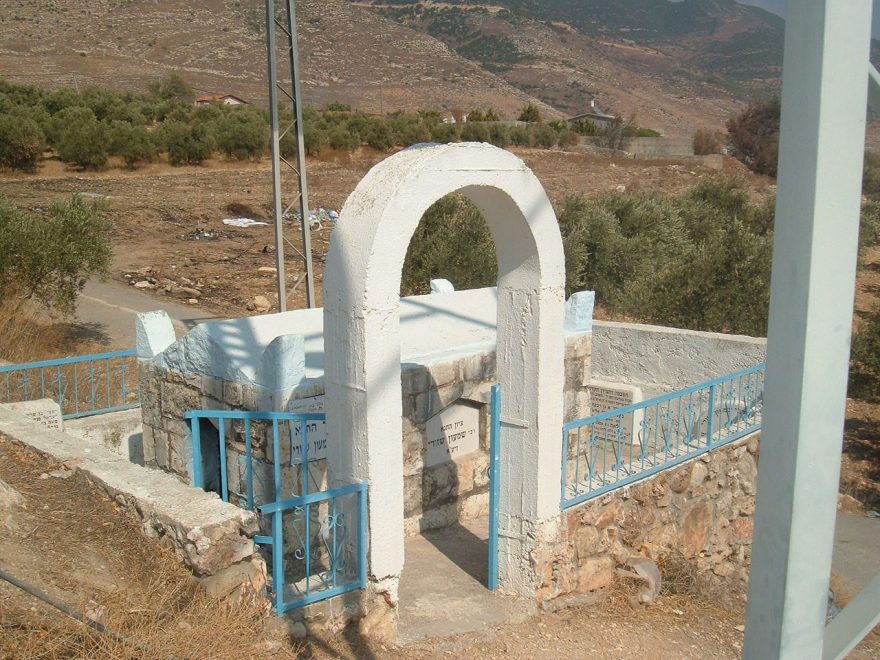
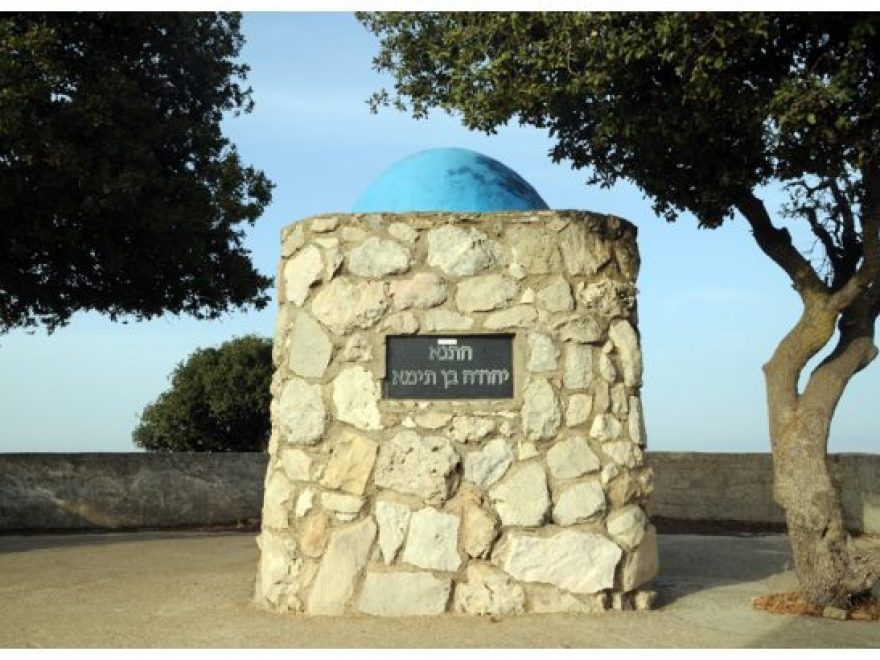
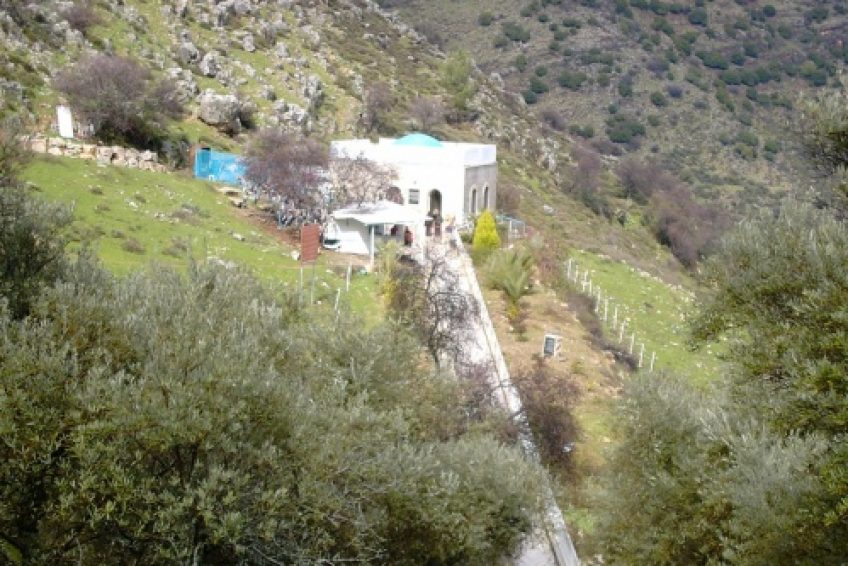
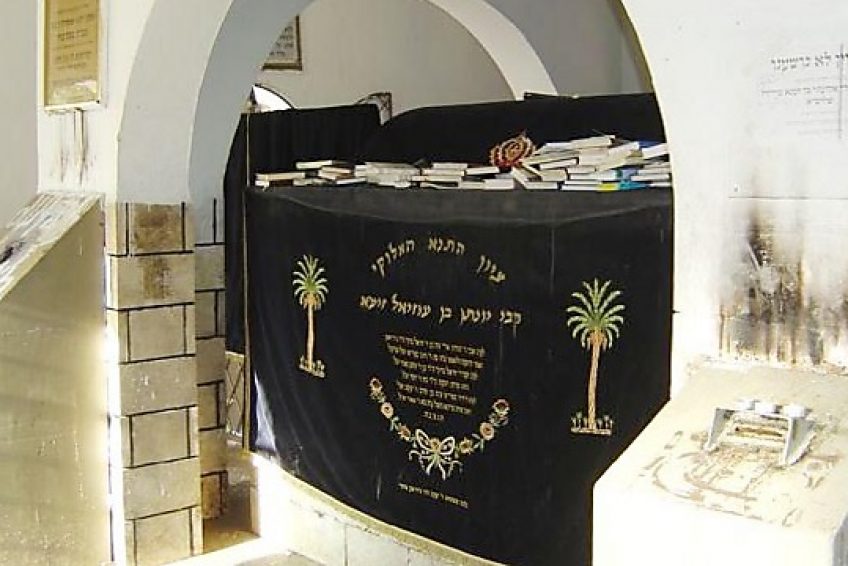
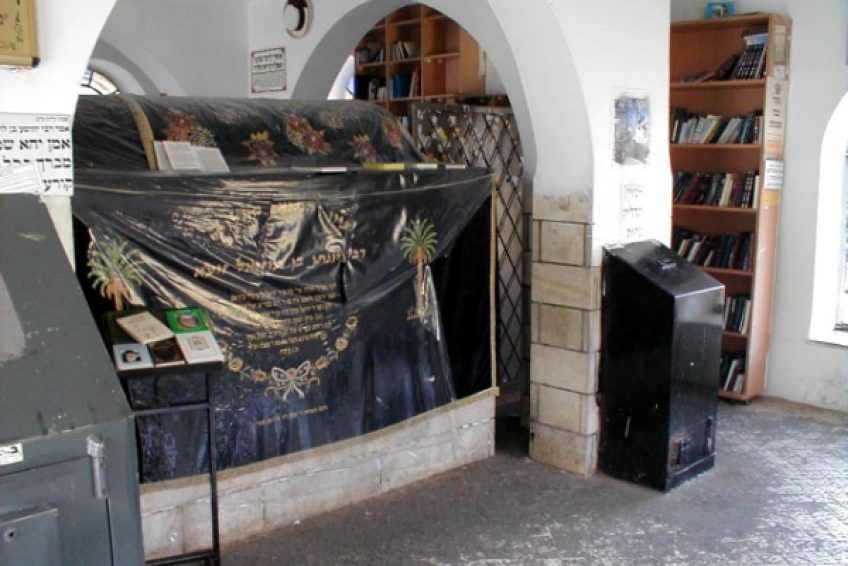
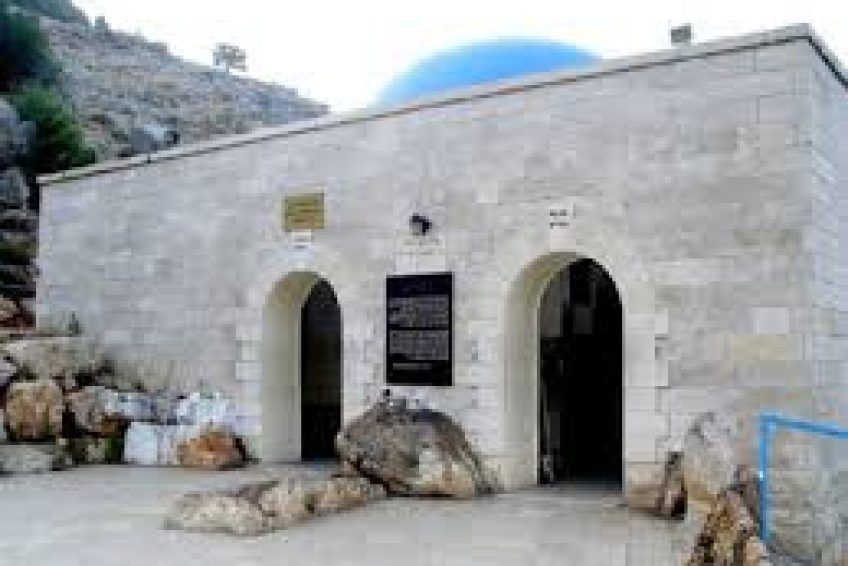
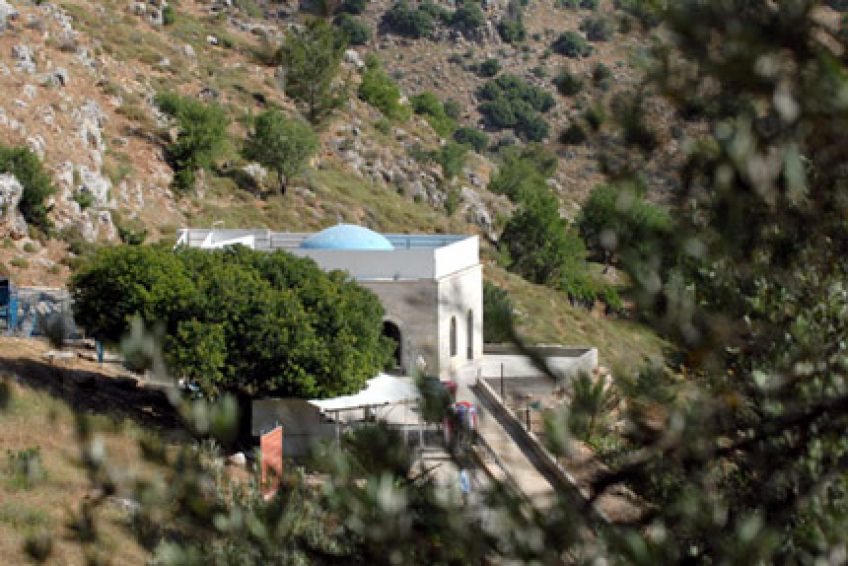
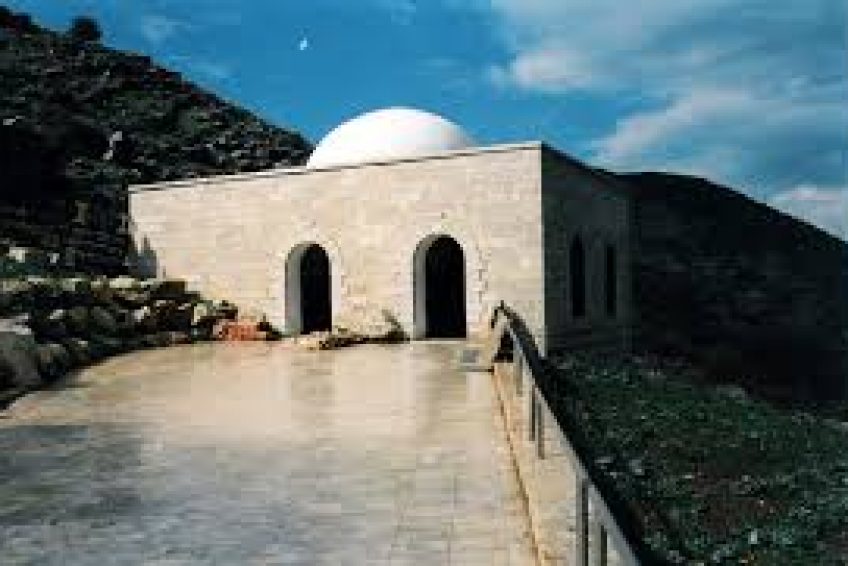
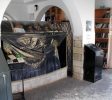
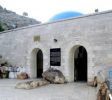
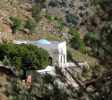
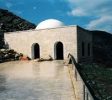
According to tradition, the tomb of ben Uzziel is located in Amuka, Galilee near Safed, Israel.
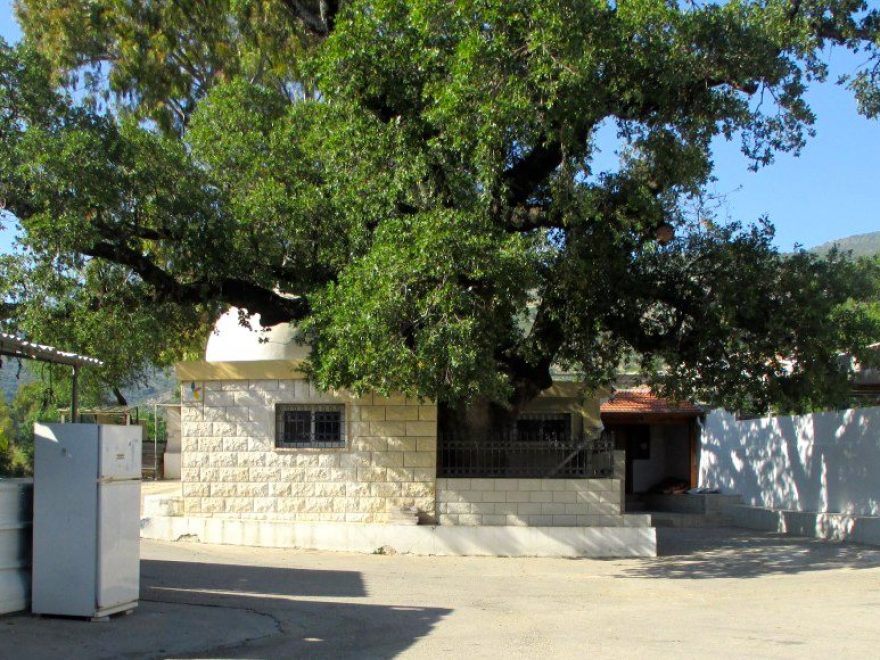
According to Zev Vilnai, Rabbi Shmuel ben Shimshon wrote about the tomb in 1210: “There is a large tree next to it, and the Ishmaelites [Arabs] bring oil and light a candle in his honor and make vows in his honor.” An illustration of Yonatan ben Uzziel’s tomb appears in “Ancestry of fathers and prophets” (Hebrew: יחוס אבות ונביאים), a book printed in 1537.
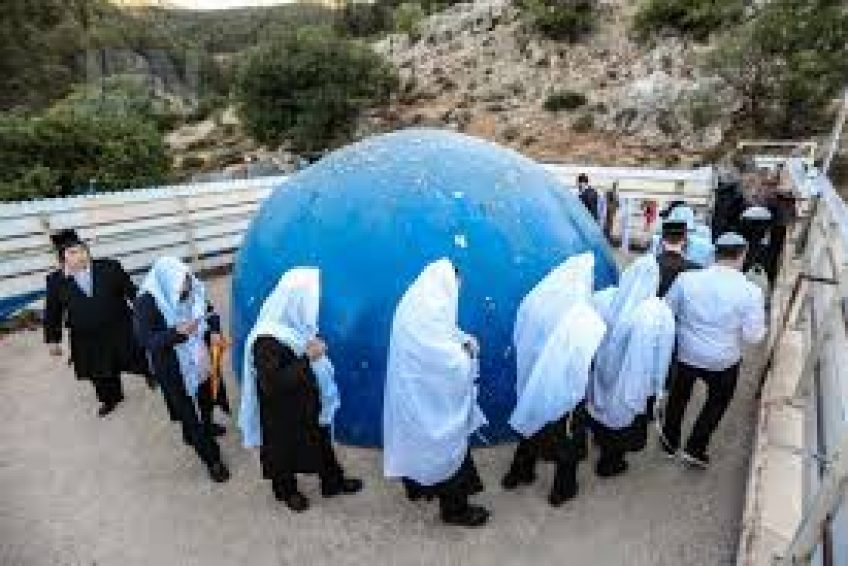
It is customary to visit ben Uzziel’s tomb on Rosh Chodesh, the first day of the lunar month, and on 26 Sivan (the day on which he died), although visitors arrive all year round. A practice that began in the 17th century was to pray at the gravesite for a good marriage partner, for children, satisfaction from one’s children, a good livelihood, health and happiness. Many unmarried men and women pray there for a match. Doing so is considered a segula (propitious remedy) for finding one’s mate within the coming year.
Zev Vilnai offers two theories for this custom: (a) The practice developed from the Pseudo-Jonathan translation of the Bible on Deuteronomy 24:6, where he writes that anyone who prevents the connection between a husband and wife forfeits his portion in the world-to-come; (b) The practice is based on a mistaken reading of Rashi who writes in reference to a place called Harpania (Aramaic:הרפניא) “Everyone goes there: all ineligible men (pesulim) who cannot find a woman turn and go there. And it is deeper (Amuka) and worse than Gehinnom.” The words “and it is deeper (Amuka)” are the headwords to Rashi’s next comment, and do not relate to his preceding comment about men going to Harpania to look for women. However, the mistaken reading connects Rashi’s words to the community named Amuka.
It is also widely believed that Jonathan ben Uzziel was single or childless, so men in similar situations seek to benefit from his special powers, but nowhere in the writings of Chazal is this stated
Amuka
If you are looking to get married, look no further. Go to Amuka and according to tradition your prayers will be answered within the year!
The Tomb
Amuka is in a deep valley about 8 kilometres from Safed. Buried there is the sage Rabbi Yonatan Ben Uziel who was a student of Rabbi Hillel the elder, of the first century B.C.E. He never married and apparently regretted it. The story says that before he died he promised that if someone looking for their beshert (intended), prayed at his grave, their prayers would be answered.
When To Go
Many people go to visit the graves of sages either on erev Rosh Chodesh, the eve of the first day of the Jewish month, or on the middle of the month, as both are considered favorable times. Locally, the grave of Shimon Bar Yochai (also know as Rashbi) in nearby Meron is very popular, and if you are single why not go to Amuka as well?
The most auspicious day of the year to go there, however, is the 26th of Sivan, the anniversary of his death (yortzite). In 2010 the secular calendar works out as the 7th /8th June. Every year on this date, hundreds of people descend on the grave-site to pray hoping that they will be blessed to find their beshert. Some say you should walk around his grave 7 times, others believe that just praying at the grave is sufficient.
The Tree
One of the strange sites you will see near the kever (grave) is a tree covered in various items of clothing, scarves, etc tied to it. This is because many people, women in particular, believe that this will also help them find their partner. Even though there is a notice up saying that this practice is forbidden it doesn’t deter people from continuing to decorate the tree! Some people write messages asking for help to find their beshert and use the clothes as a way of tying the message to the tree, in a similar way to people leaving messages in the Kotel (Wailing Wall). You can also see trees covered in messages tied in items of clothing near the graves of other sages as well.
Coincidence Or Fate?
There are many stories of people going to Amuka, and finding their beshert. Maybe they meet someone on the way or return something left behind to its owner, and within a few months get married to them. Of course some people may leave something behind accidentally on purpose, especially for example, a prayer book with their name and phone number inside! But if they meet their intended and get married as a result – is it fate or mere coincidence?
Mitzpe Amuka
Nearby the tomb is the small communal village (Mitzpe) of Amuka which is home to some fifty or so families. It was founded 30 years ago as part of a government program to increase settlement in the Galilee. Dora of the Izadora Café is one of its longstanding residents. It is a lovely place to take a vacation and there are several tzimmers (bed & breakfasts/guest houses) in the village. And of course it is a very handy place to stay if you want to pray at the sage’s grave.
Getting There
From the northern entrance to Safed, drive up the hill towards Ibiquir and then follow the signs down into the valley to Amuka. It can be a nice walk or bike ride, although going back up the hill may be a challenge if you are not fit. And you never know who you might meet on the way