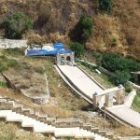
- The mikveh (ritual immersion bath) is one of Judaism’s oldest institutions, and Israel is home to mikvaot ranging from 2,000-year-old stone pools to icy mountain springs.
- Read this alongside our complete guide to Jewish holy sites in Israel.
- Plan around Shabbat, dress modestly, and most sites are free.
The mikveh (ritual immersion bath) is one of Judaism’s oldest institutions, and Israel is home to mikvaot ranging from 2,000-year-old stone pools to icy mountain springs.
What a mikveh is and why it matters
A mikveh holds natural rainwater or spring water for ritual immersion. Archaeologists have uncovered mikvaot beside ancient synagogues, palaces and the Temple — proof of how central the practice has always been.
Famous mikvaot to know
The cold, spring-fed Ari Mikveh in Safed is the most famous, associated with the Arizal. Ancient stone mikvaot can be seen at Masada and the Jerusalem excavations.
Visiting respectfully
Active mikvaot have separate men and women hours and modesty rules. Many travelers fold a mikveh visit into a broader pilgrimage itinerary.
Frequently asked questions
What is a mikveh?
A mikveh is a pool of natural water used for ritual immersion and purification, a central practice in Jewish law for thousands of years.
Can tourists visit a mikveh?
Ancient archaeological mikvaot can be viewed at many historical sites. Active mikvaot are used for immersion and have separate hours for men and women.
What is the Ari Mikveh in Safed?
The Ari Mikveh is a cold spring-fed pool in Safed where the Arizal immersed; many male pilgrims immerse there to this day.
Where can I see ancient mikvaot?
Ancient mikvaot are preserved at sites such as Masada, the Western Wall excavations and across the Galilee.