


Avtalion and Shemaiah were converts to Judaism or the descendants of converts; by tradition they were descended from King Sennacherib of Assyria. Despite this, they were influential and beloved. The Talmud relates that once, when the high priest was being escorted home from the Temple by the people, at the close of a Day of Atonement, the crowd deserted him upon the approach of Avtalion and Shemayah and followed them. However, Graetz has argued that neither Shemayah nor Avtalion was of Gentile descent, although both were Alexandrians.
According to the Mishnah, both Shemaiah and Abtalion studied Torah under Simeon ben Shetach.[5]
He was a leader of the Pharisees in the 1st century BCE and president of the Sanhedrin before the reign of Herod the Great. He and his colleague Abtalion are termed the gedolei ha-dor (the great men of the age) and darshanim (exegetes).
Of the political life of Shemaiah, only one incident is reported. When Herod on his own responsibility had put to death the leader of the national party in Galilee, Hyrcanus II permitted the Sanhedrin to cite him before the tribunal. Herod appeared, but in royal purple robes, whereupon the members of the Sanhedrin lost courage. Only Shemaiah was brave enough to say: “He who is summoned here on a capital charge appears like one who would order us to execution straightway if we should pronounce him guilty. Yet I can blame him less than you and the king, since ye permit such a travesty of justice. Know then that he before whom ye now tremble will some day deliver you to the executioner.” This tradition is found twice, in Josephus[and the Talmud.
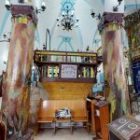
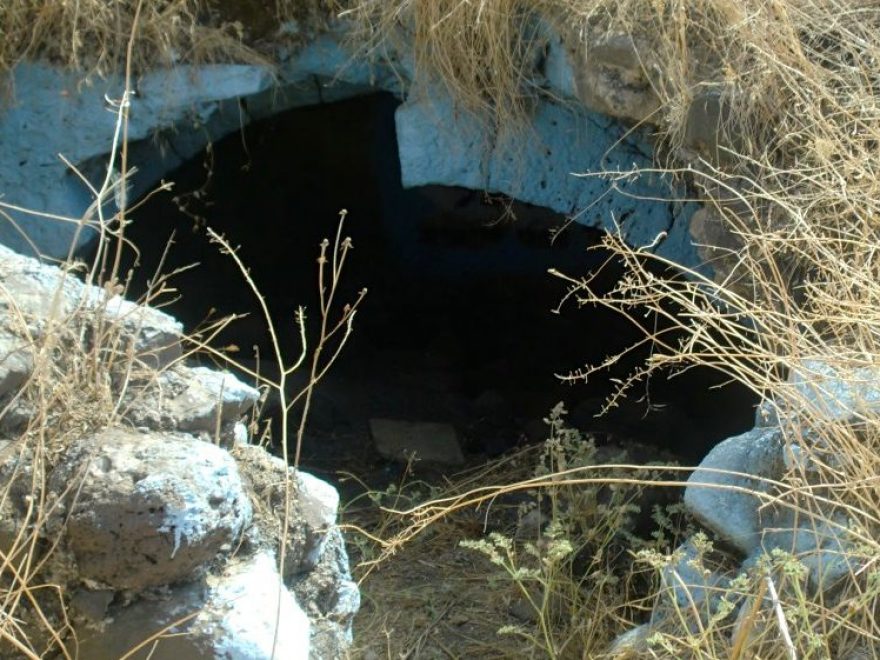
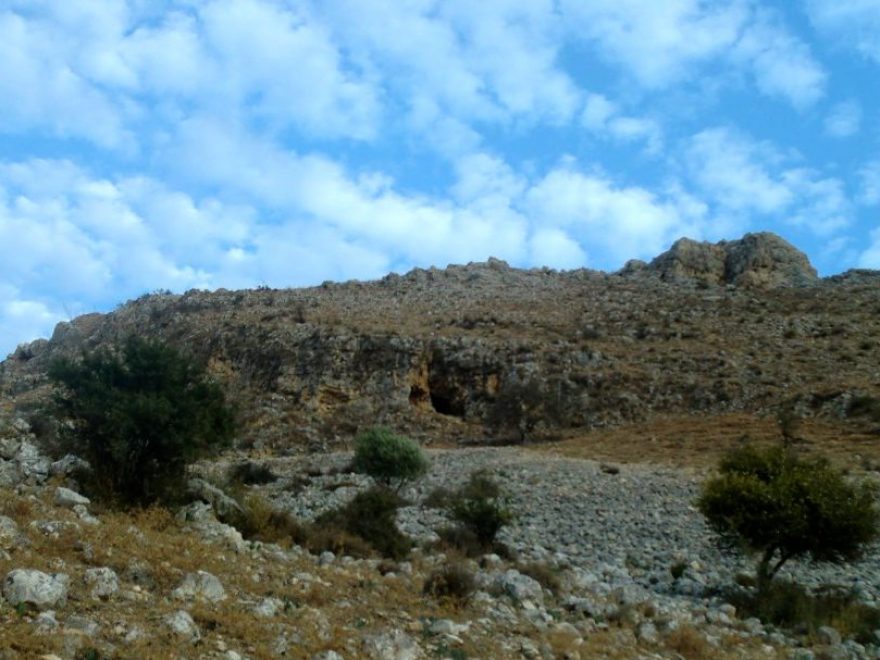
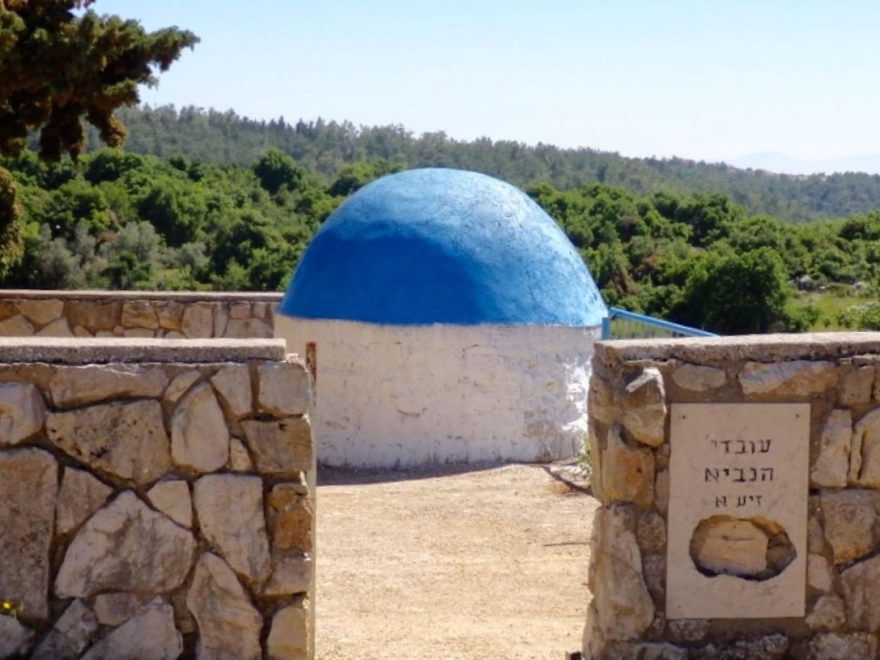
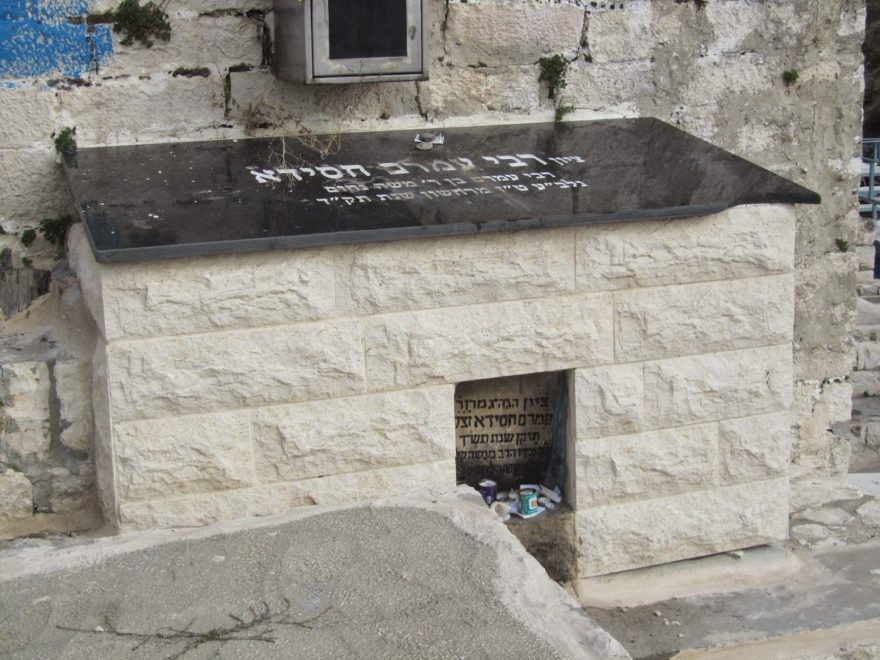
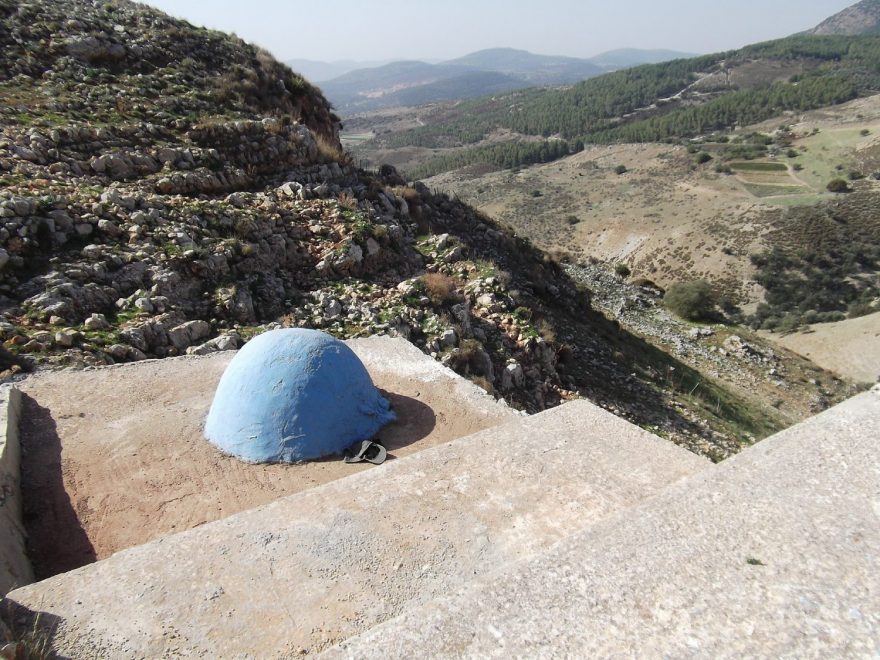
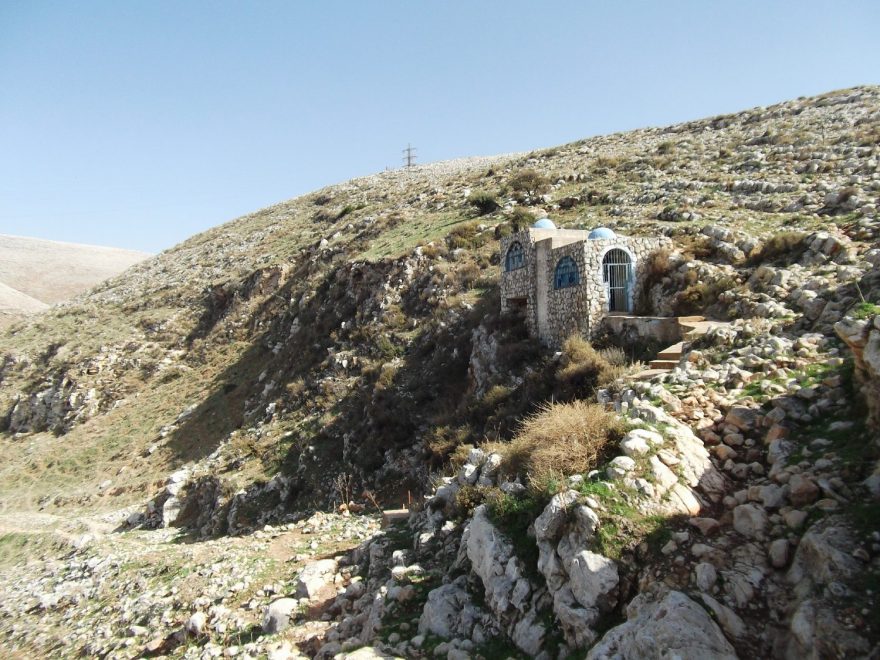
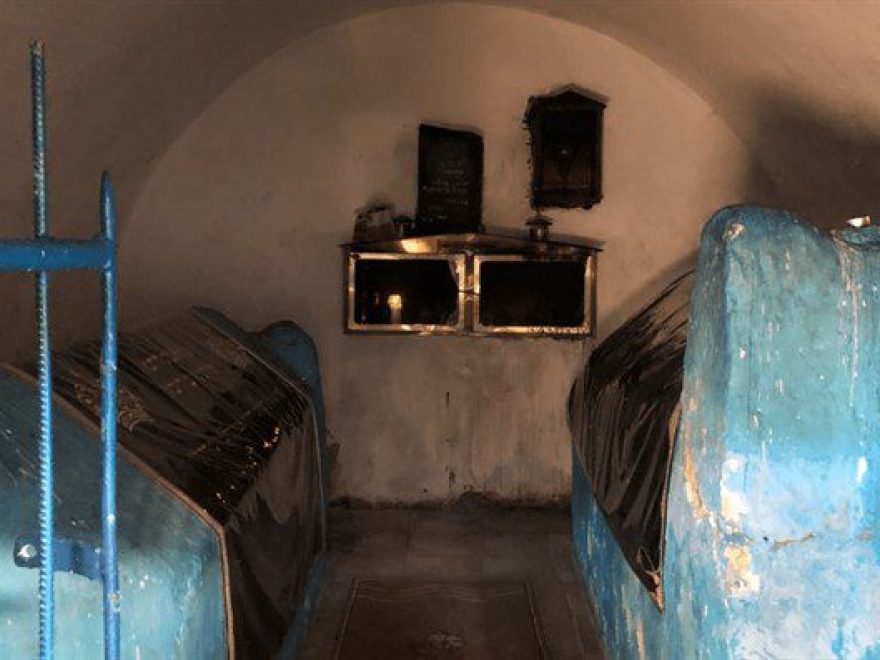
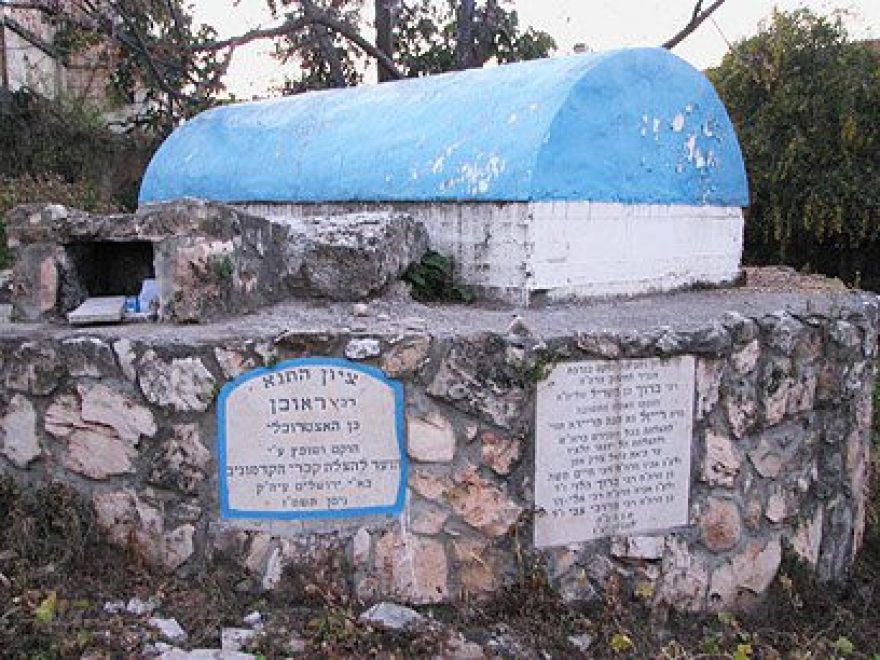
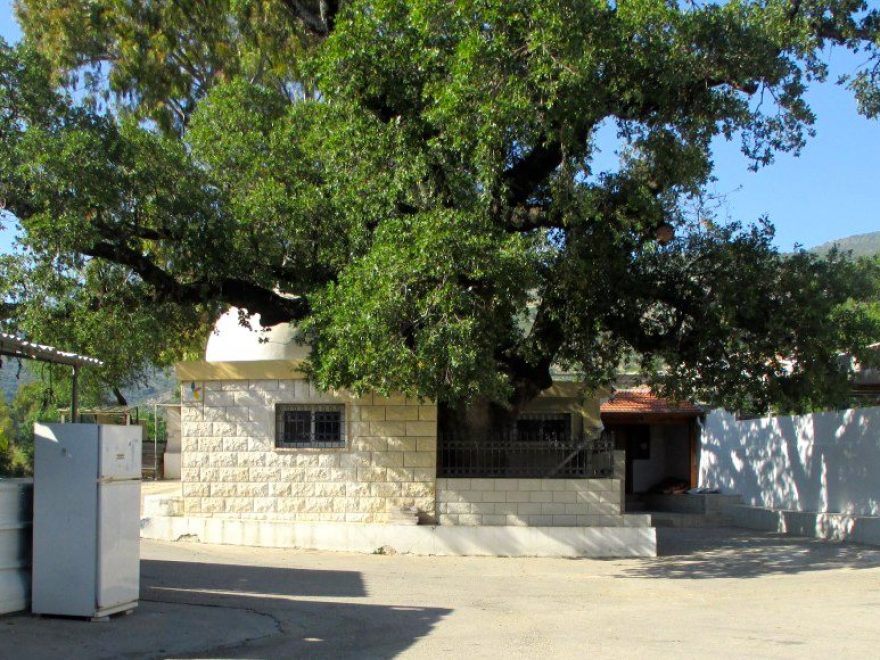
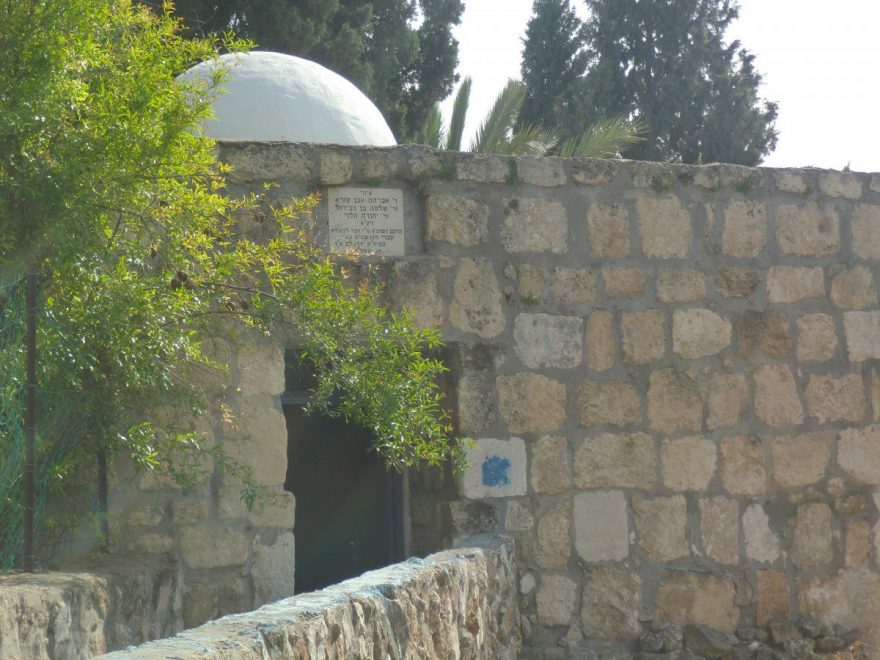
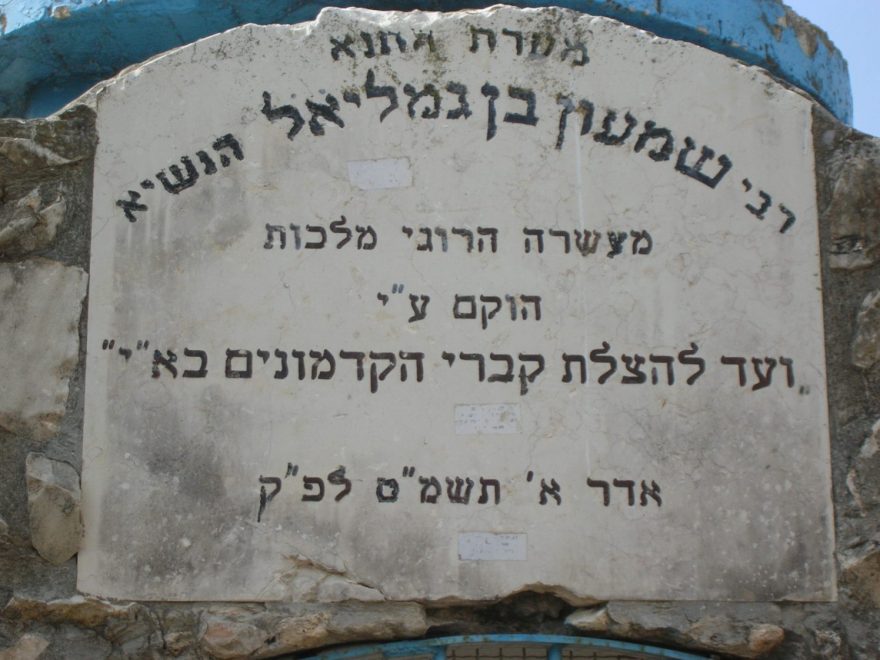
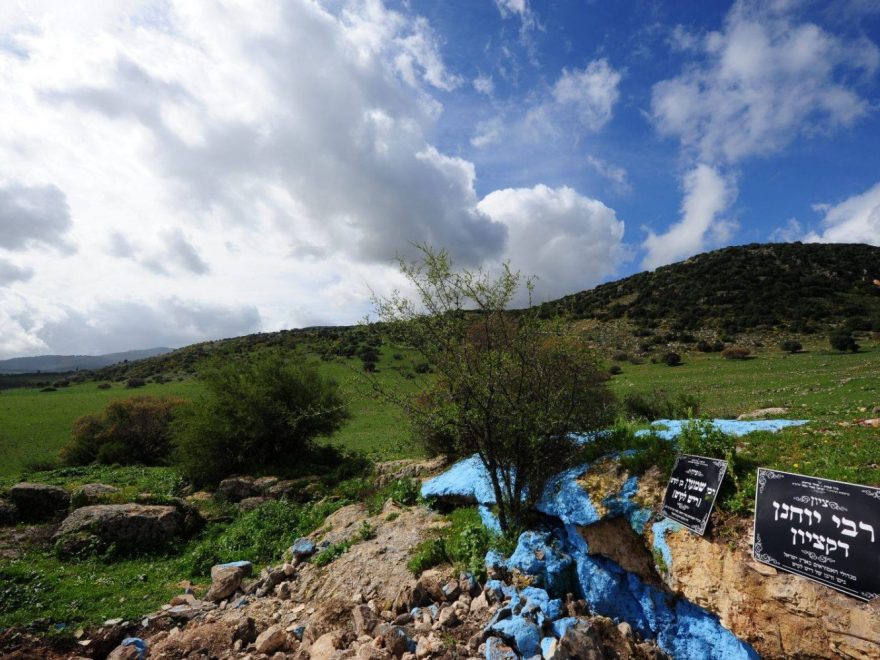
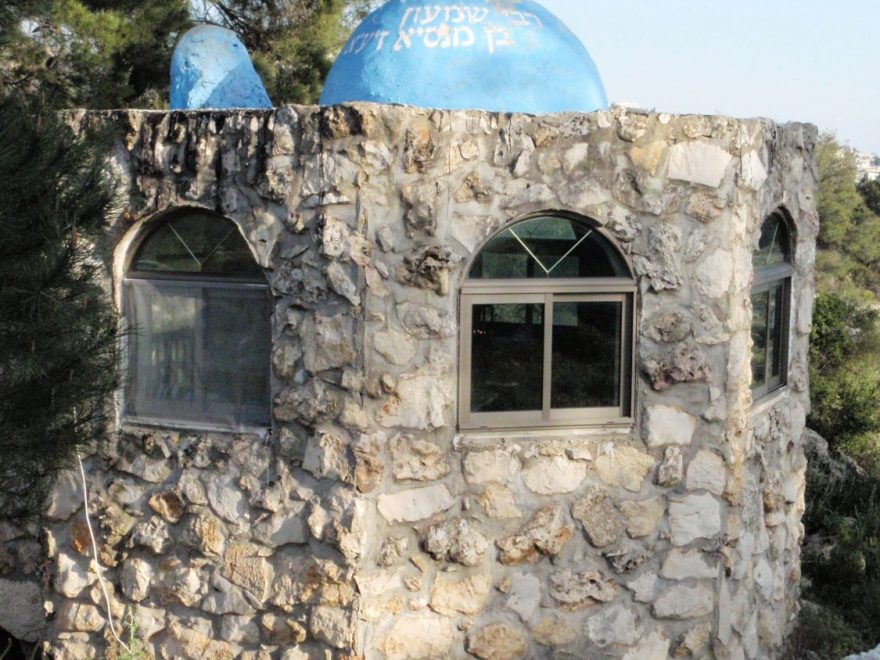
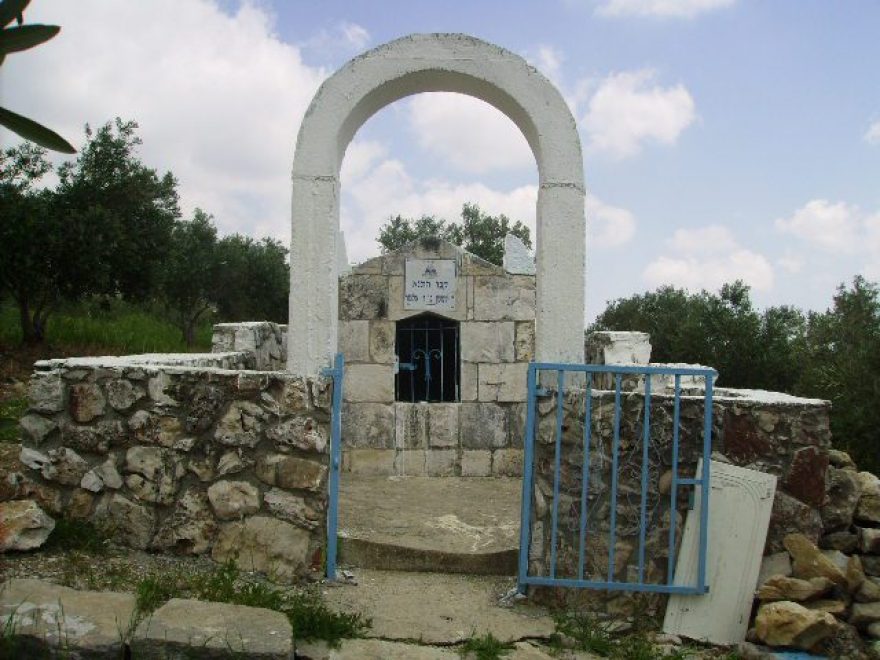
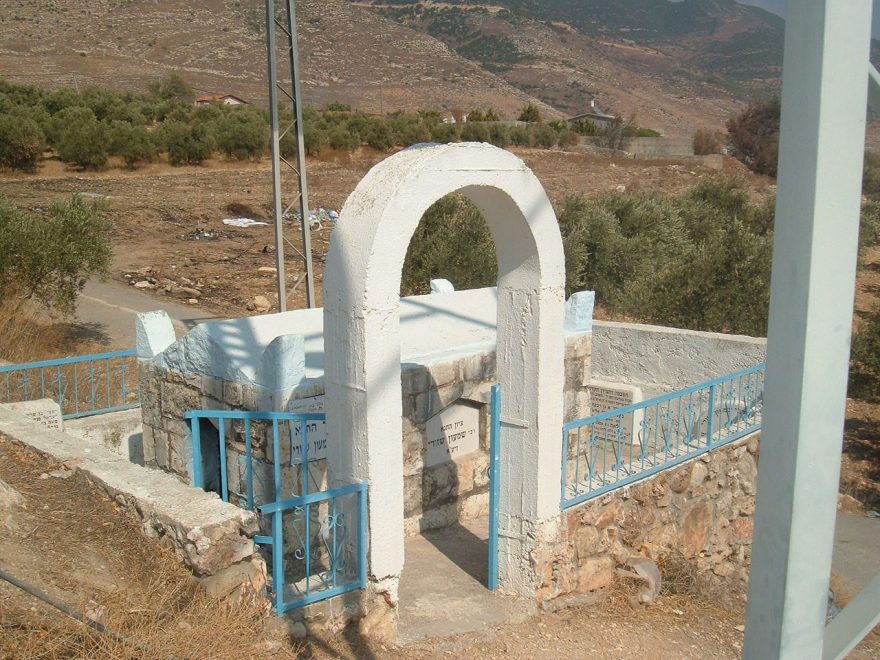
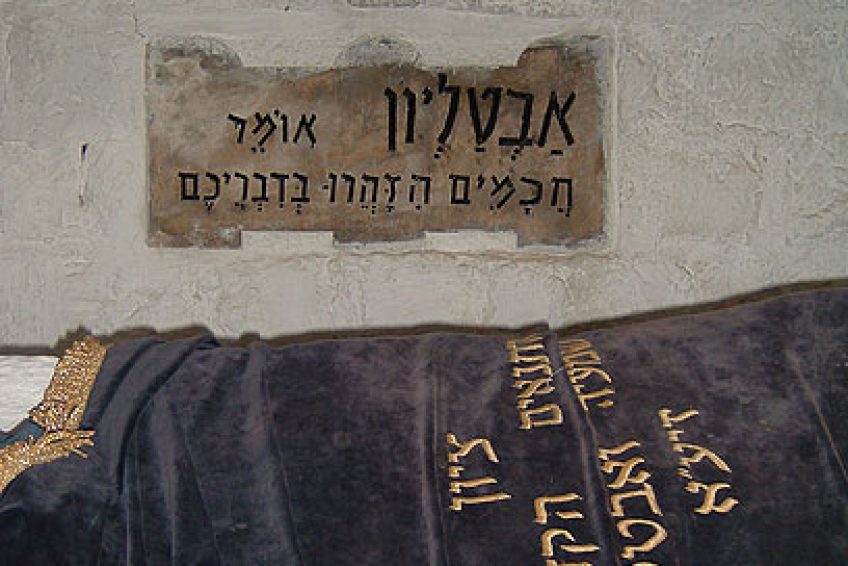
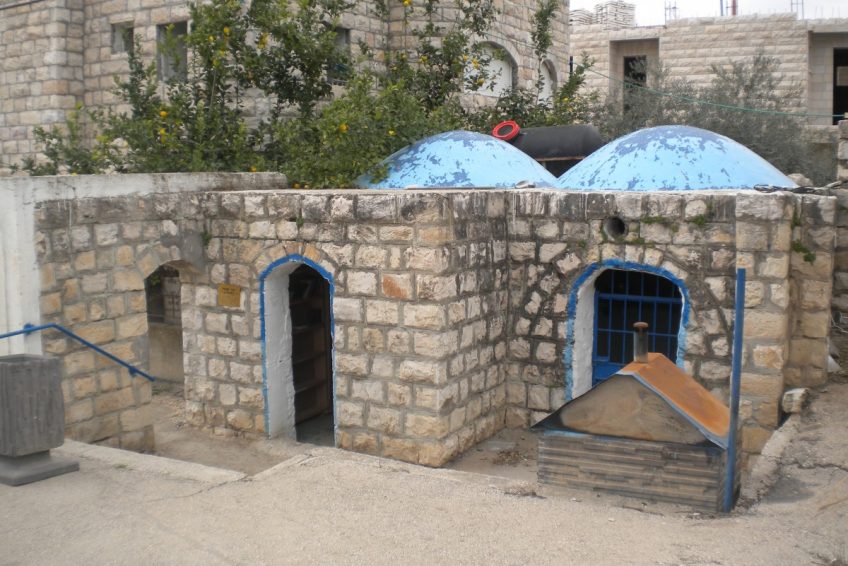
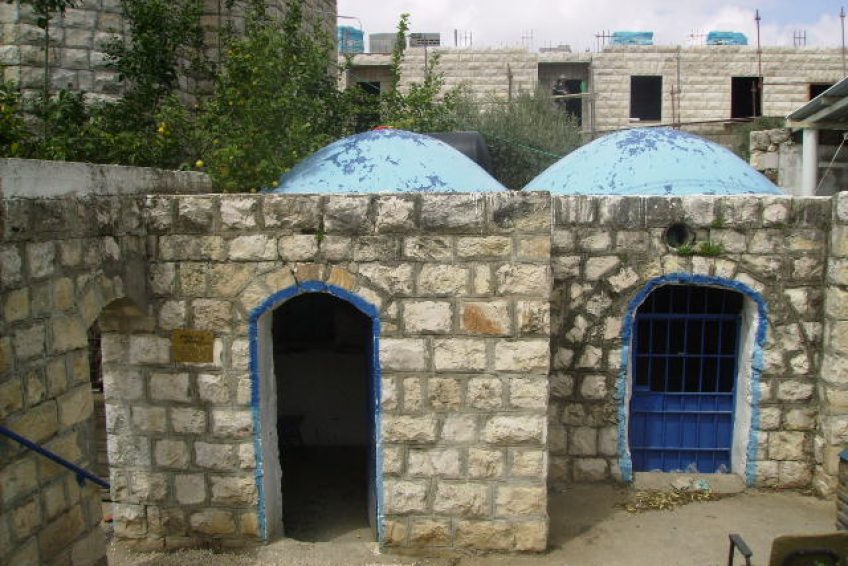
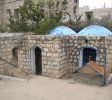
The tombs of Shmaya and Avtalyon are located in Jish, a Maronite Christian village in the Galilee