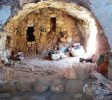
Tomb of Ruth and Jesse – Great-Grandmother and Father of King David
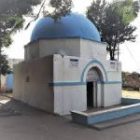
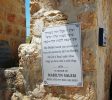
For generations Jewish people have visited the Tomb of Ruth and Jesse. Today, the refurbished site attracts thousands, especially on Shavuot.The tomb of Jesse and Ruth is the ancient site that marks the burial locations of the father and great-grandmother of King David. Some archaeologists believe the site may be connected to King David who established Israel’s first capital in Hebron.
The Book of Ruth begins with the story of Naomi, a Jewish woman who travels with her family to Moab to escape a famine. After the death of her husband and sons, she decides to return to the Land of Israel. Her daughter-in-law Ruth, a Moabite, rather then let Naomi leave alone, chooses to follow her and join the Jewish people.
Ruth is considered the paradigm of “hesed” or kindness and a template for convertion to Judaism. In chapter 1 verse 16, of the Book of Ruth, she speaks the famous phrase, “wherever you go, I will go, and wherever you lodge, I will lodge; your people shall be my people and your God, my God.” She later marries Boaz, and gives birth to Obed, father of Jesse, father of David.
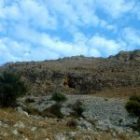
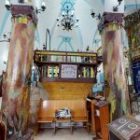
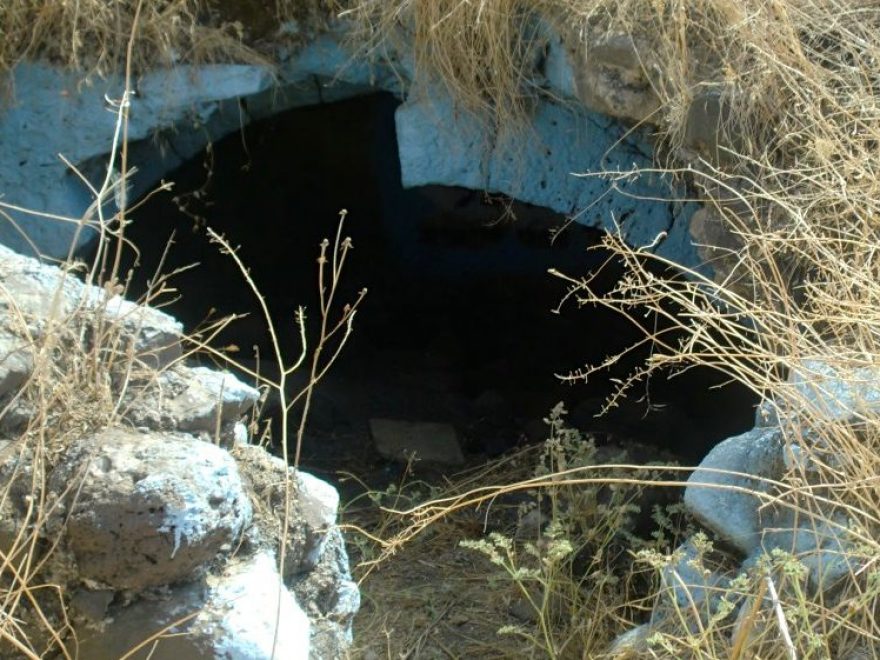
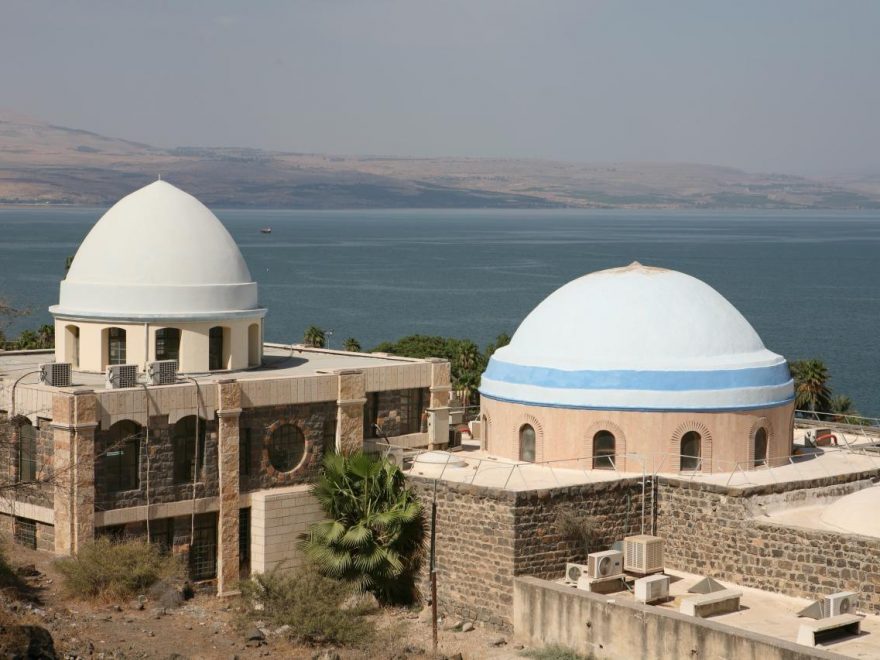
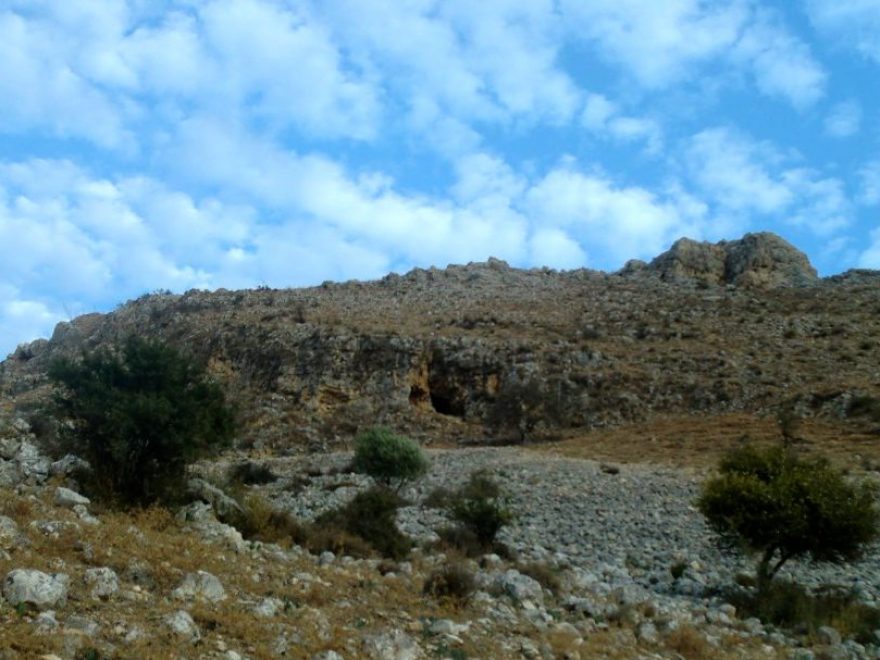
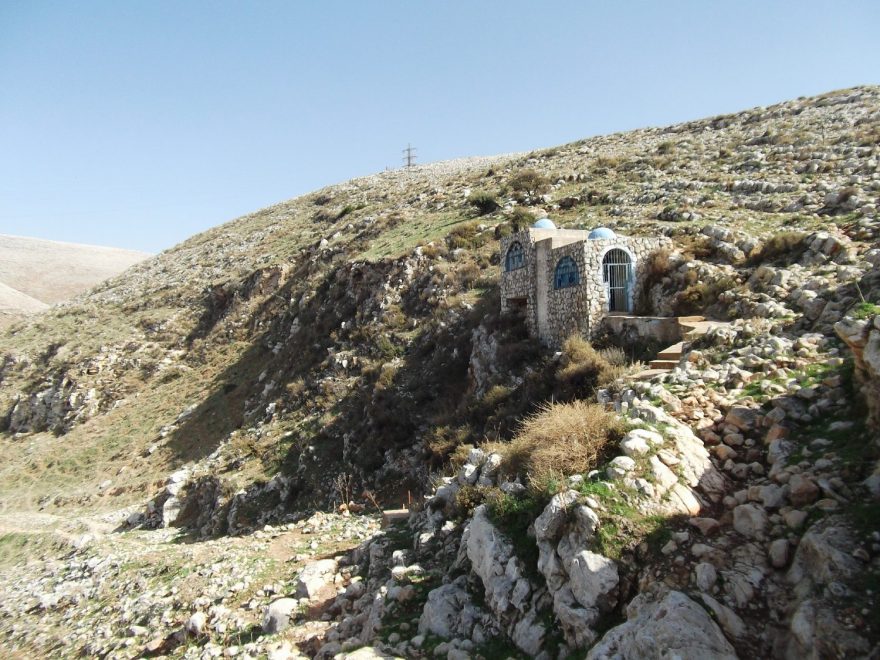
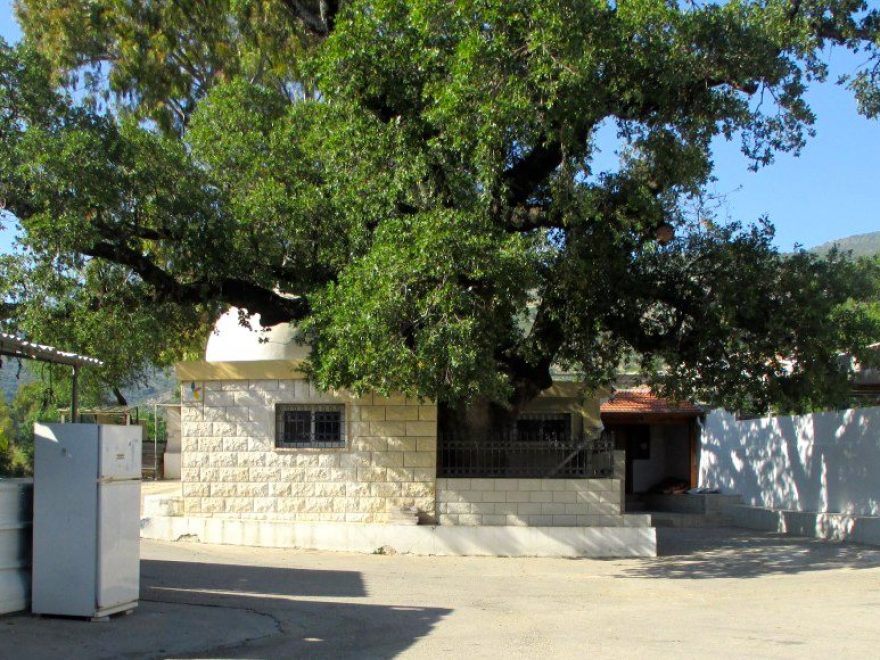
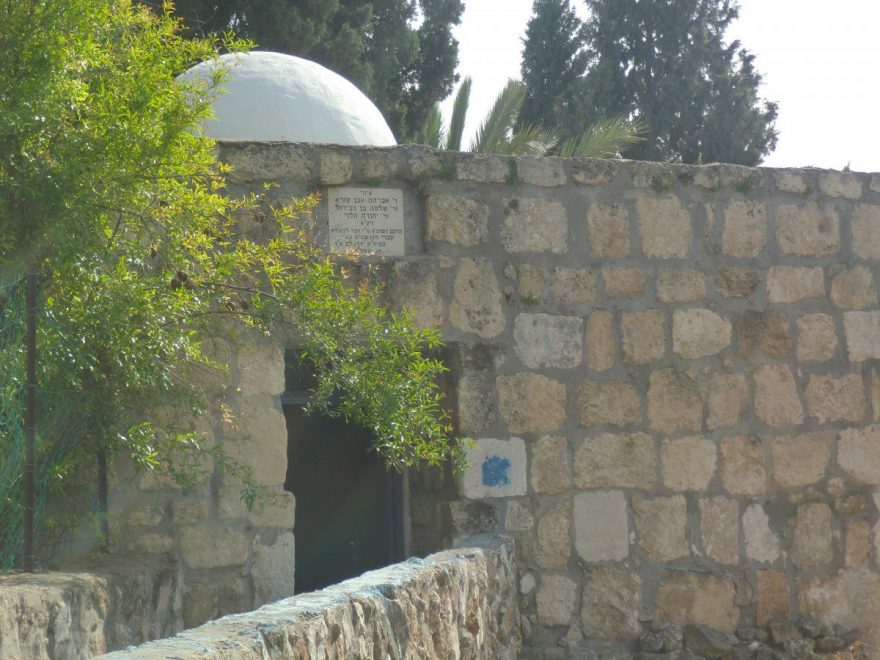
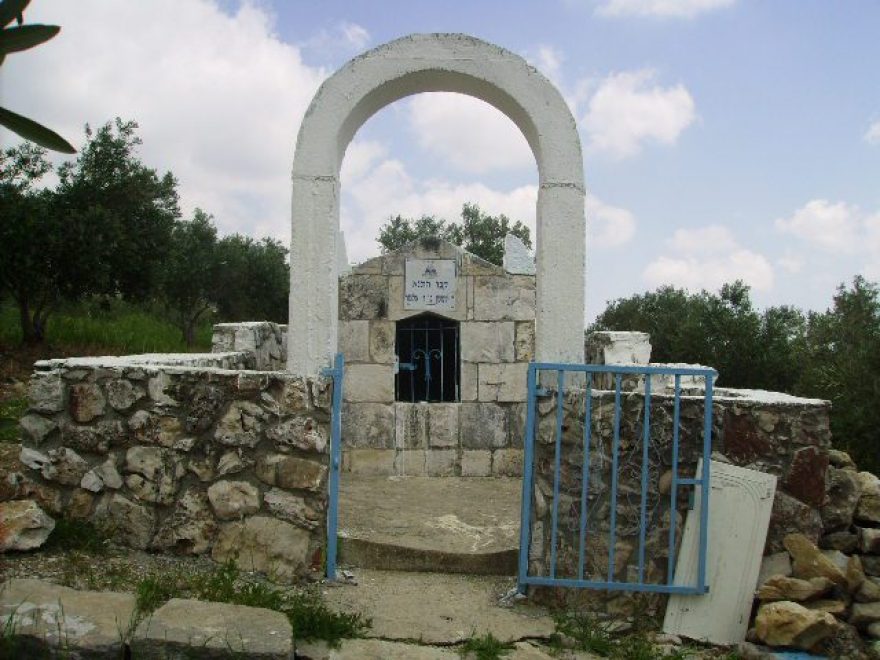
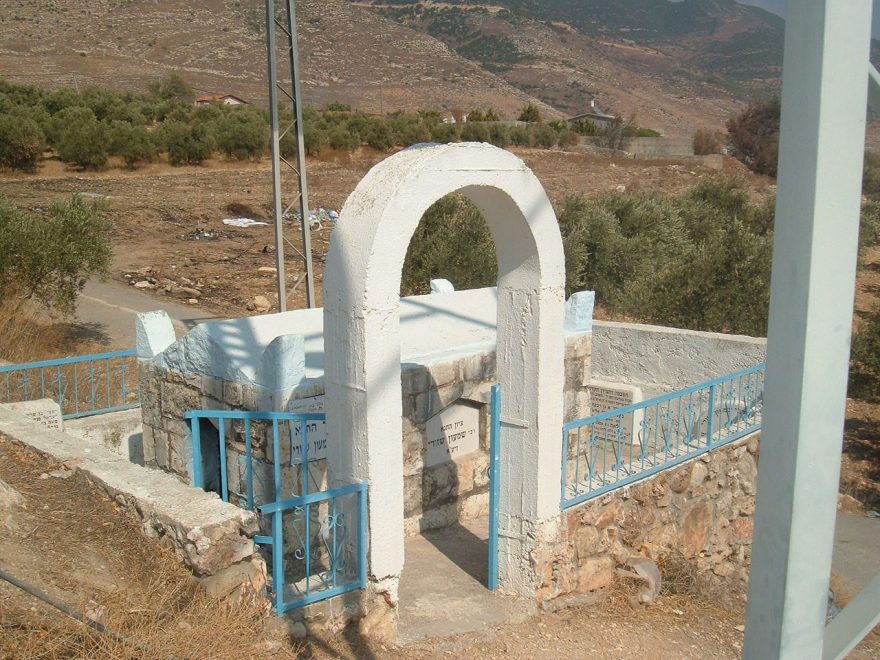
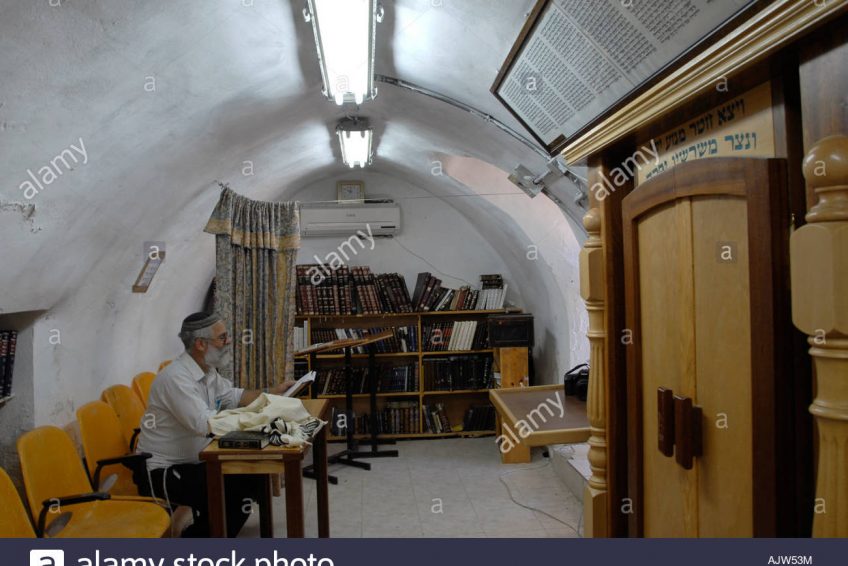
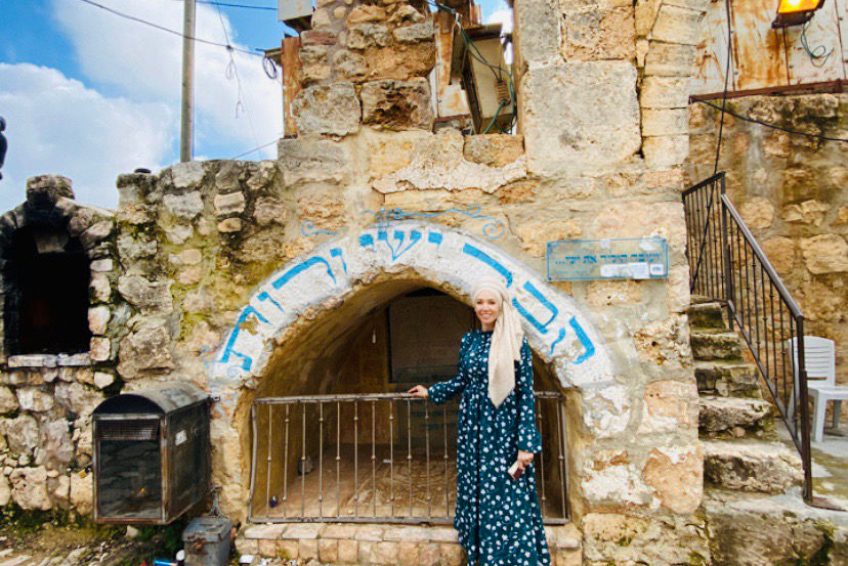
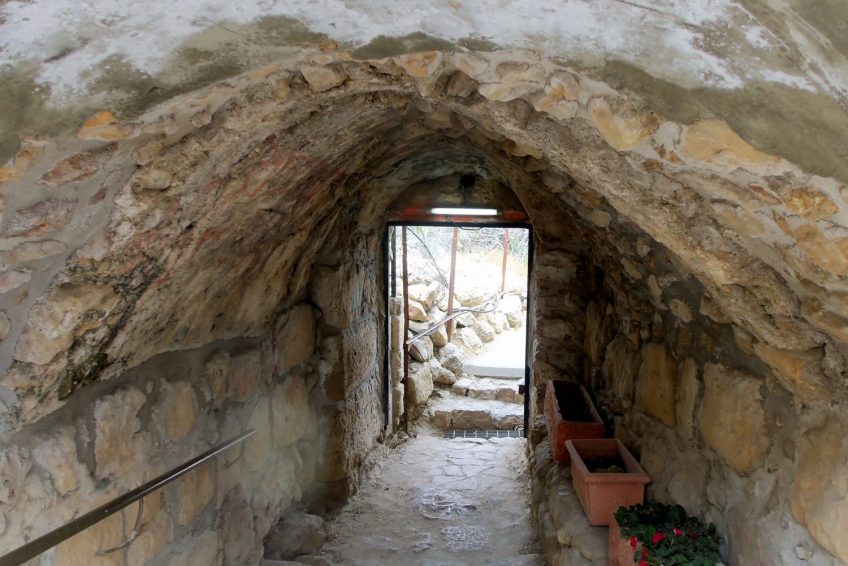
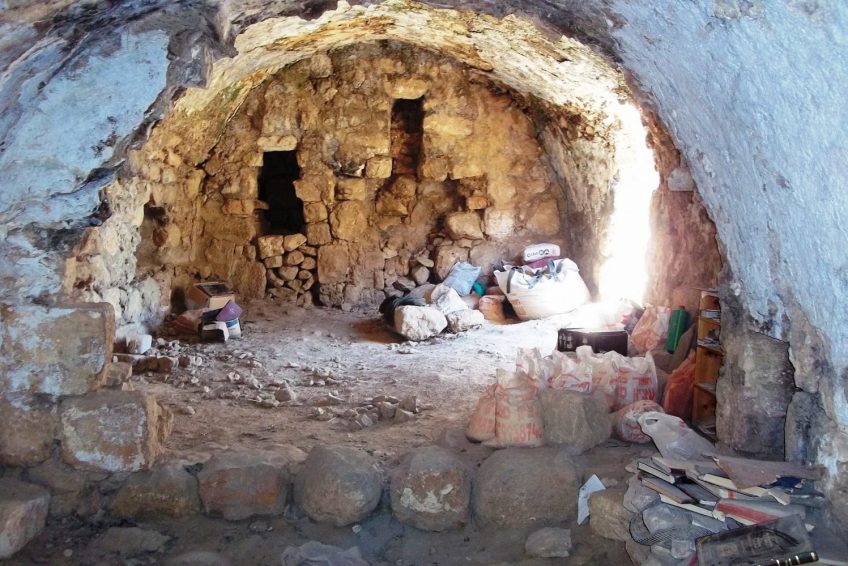
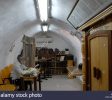
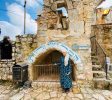
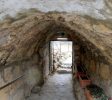
For generations people have visited the site known as the Tomb of Ruth and Jesse, located in the Admot Ishai / Tel Hebron neighborhood of Hebron. At the top of a hill overlooking a vineyard, the old stone building today houses a small synagogue, prayer room and an alcove with stone artifacts that have yet to be thoroughly excavated. The roof provides a panoramic view of the Old City.
Rabbinic tradition describes Jesse as one of four righteous men who died free of sin and one of the ten who entered the Garden of Eden during their lifetimes. This could be an allusion to Jesse’s burial in Hebron as the Cave of Machpela is described as an entrance to the Garden of Eden.