

R. Shimon combined with his rationalism in halakhah a strange mysticism in his aggadic teachings, as well as in his practise. He spoke of a magic sword, on which the Name was inscribed, being given by God to Moses on Sinai;and he ascribed all kinds of miraculous powers to Moses. After his death he appeared to the saints in their visions.
Thus his name became connected with mystic lore, and he became a chief authority for the kabbalists; for this reason the Zohar first appeared under the name “Midrash de-Rabbi Shim’on ben Yochai”. There also exist, two apocryphal midrashim ascribed to Shimon:”The Secrets of Rabbi Simon ben Yohai” and “Tefillat R. Shim’on b. Yoḥai”. Both of them bear on the Messianic time, but the second is more complete. The main point of these midrashim is that while Shimon was hidden in the cavern, he fasted forty days and prayed to God to rescue Israel from such persecutions. Then Metatron revealed to him the future, announcing the various Muslim rulers, the last one of whom would perish at the hands of the Messiah. As in similar messianic apocrypha, the chief characters are Armilus and the three Messiahs: Messiah b. Joseph, Messiah b. Ephraim, and Messiah b. David.
While he is attributed authorship of the Zohar by many kabbalists, the authenticity of this claim has been challenged by both secular[60] and religious scholars.[61][62] who point to Moses de León as the author who published the Zohar in the 13th century.
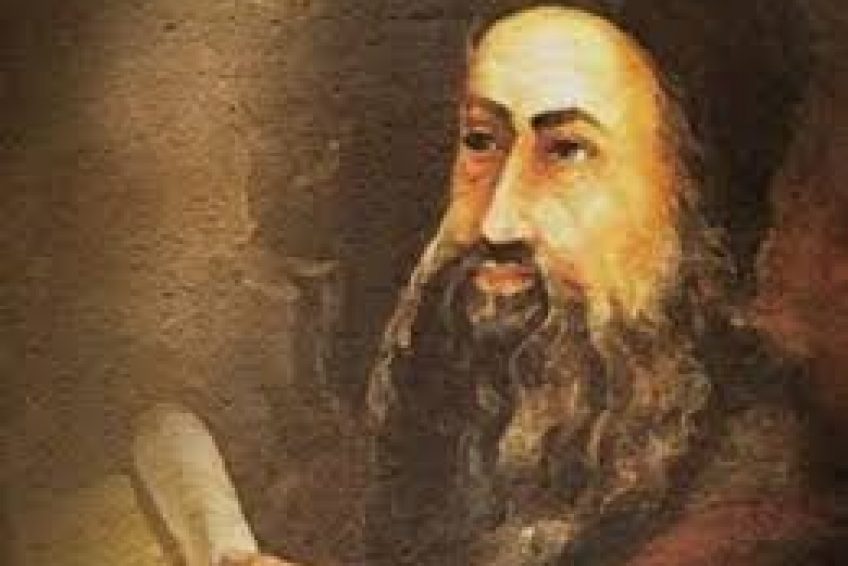
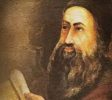
Shimon bar Yochai (Aramaic: רבן שמעון בר יוחאי, Rabban Shimon bar Yoḥai), also known by his acronym Rashbi,[ was a 2nd-century tannaitic sage in ancient Judea, said to be active after the destruction of the Second Temple in 70 CE. He was one of the most eminent disciples of Rabbi Akiva, and attributed by many Orthodox Jews with the authorship of the Zohar, the chief work of Kabbalah.
In addition, the important legal works called Sifre and Mekhilta are attributed to him (not to be confused with the Mekhilta of Rabbi Ishmael, of which much of the text is the same). In the Mishnah, in which he is the fourth-most mentioned sage,[2] he is referred to as simply “Rabbi Shimon” (with one exception, Hagigah 1:7). In the baraita, midrash and gemara his name occurs either as R. Shimon or as R. Shimon ben Yochai.
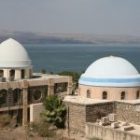
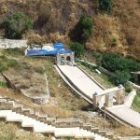
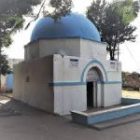
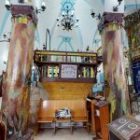
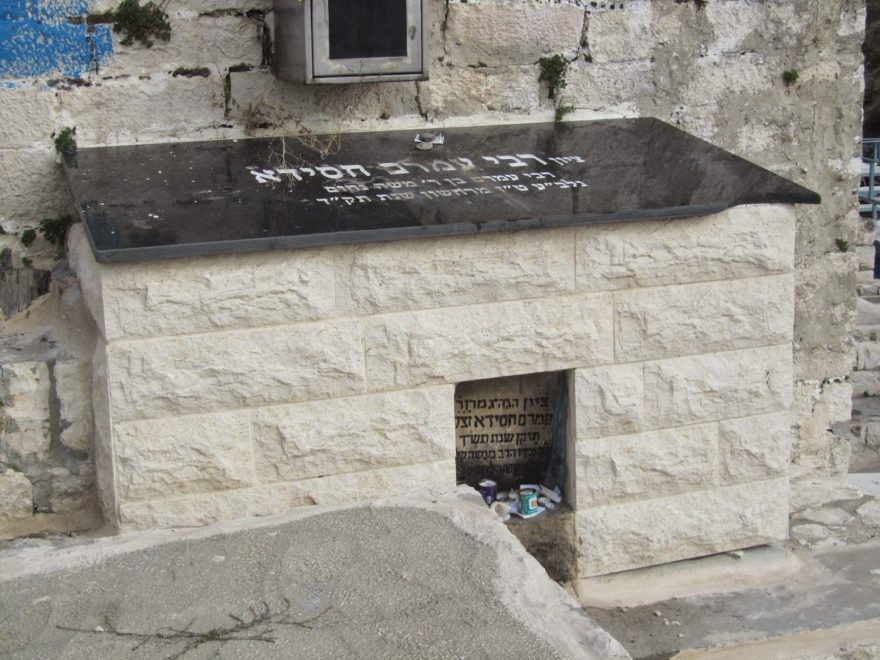
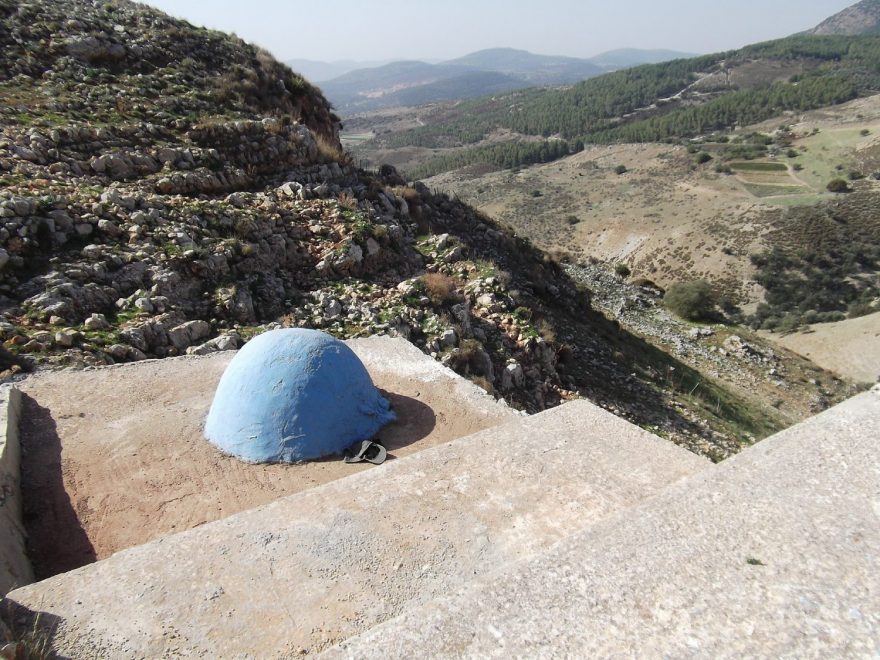
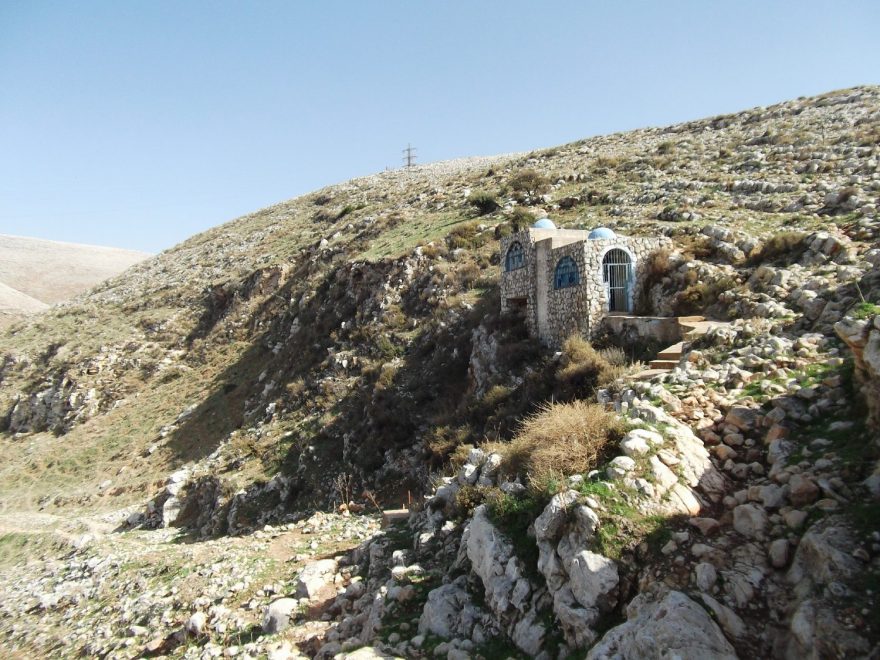
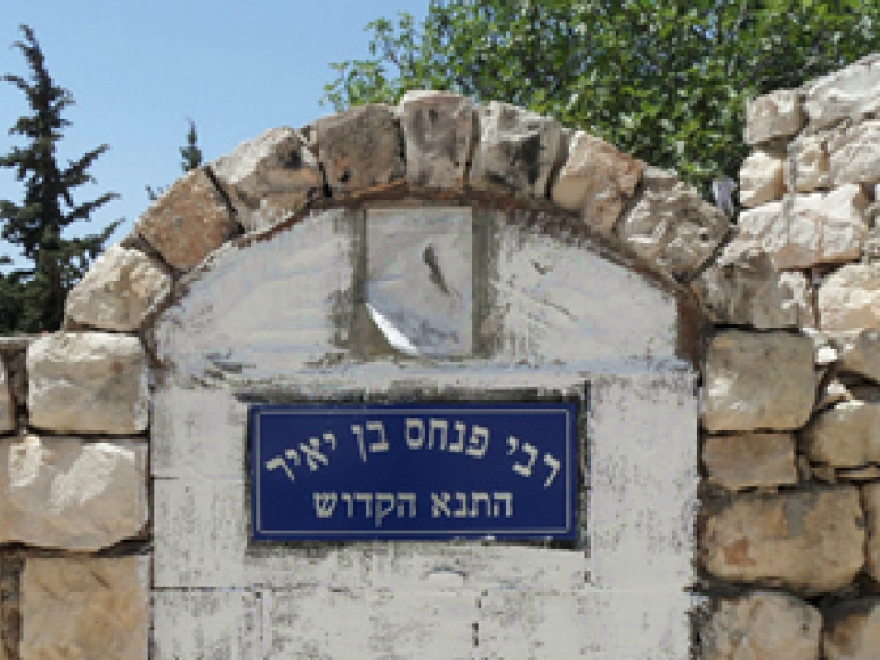
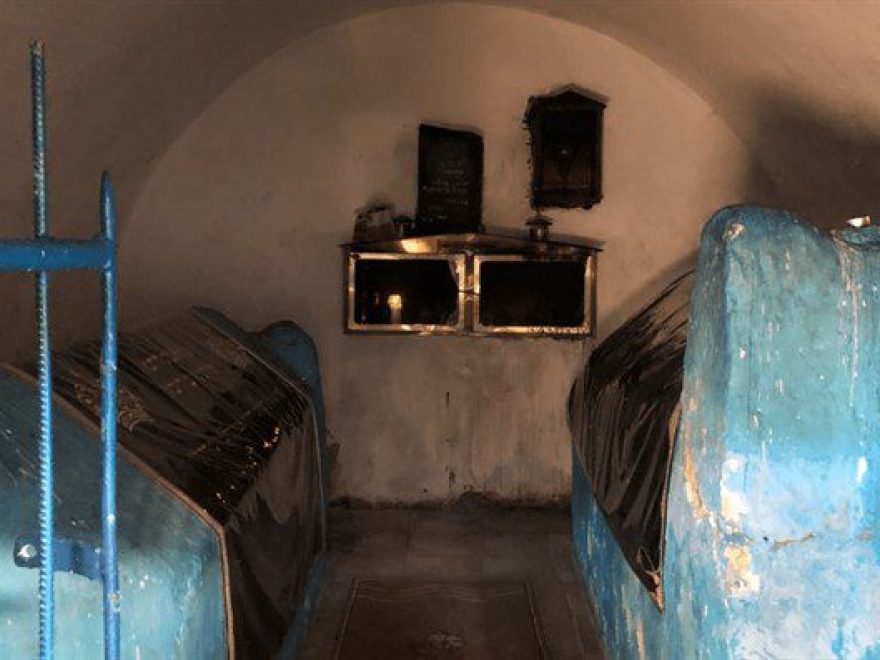
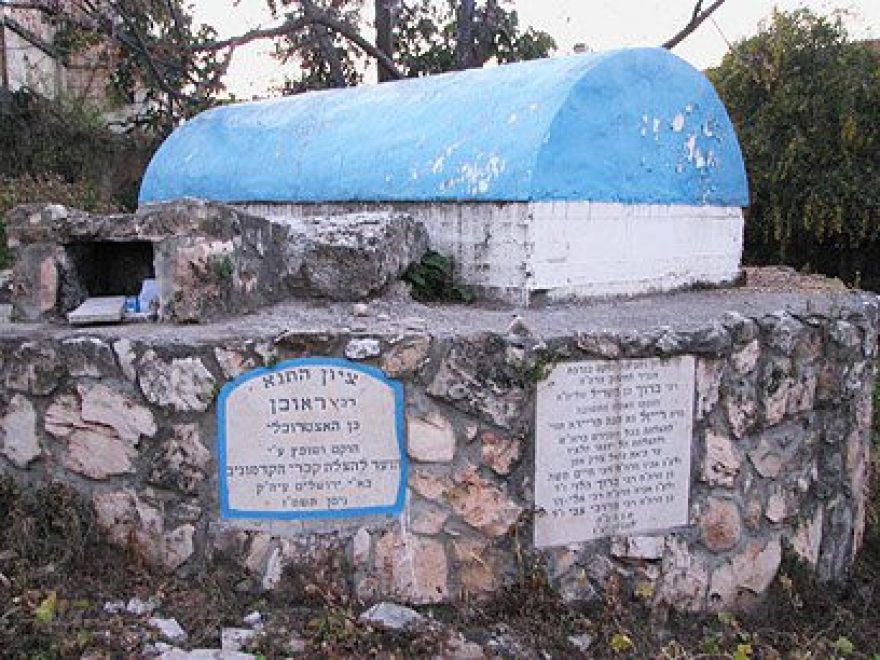
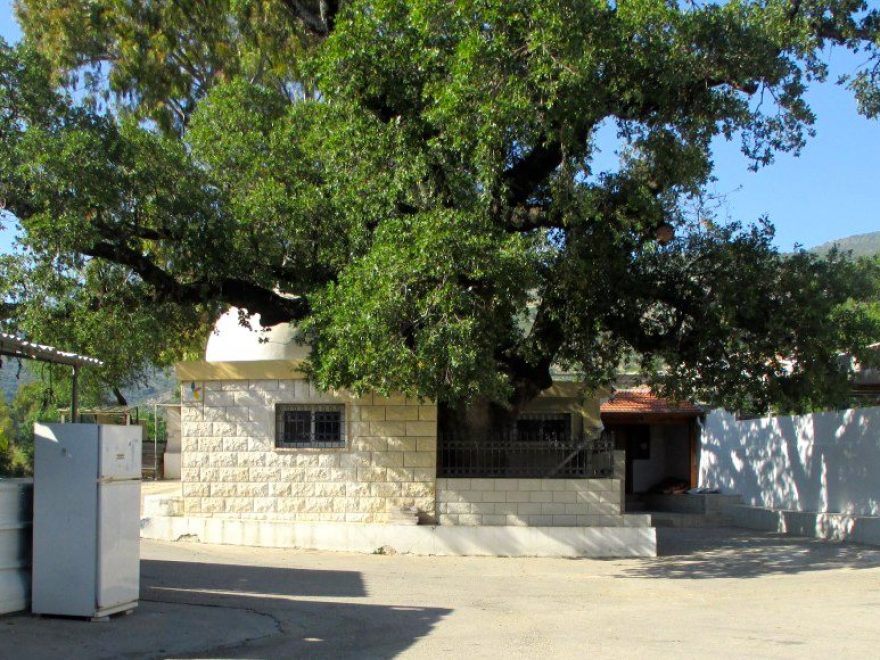
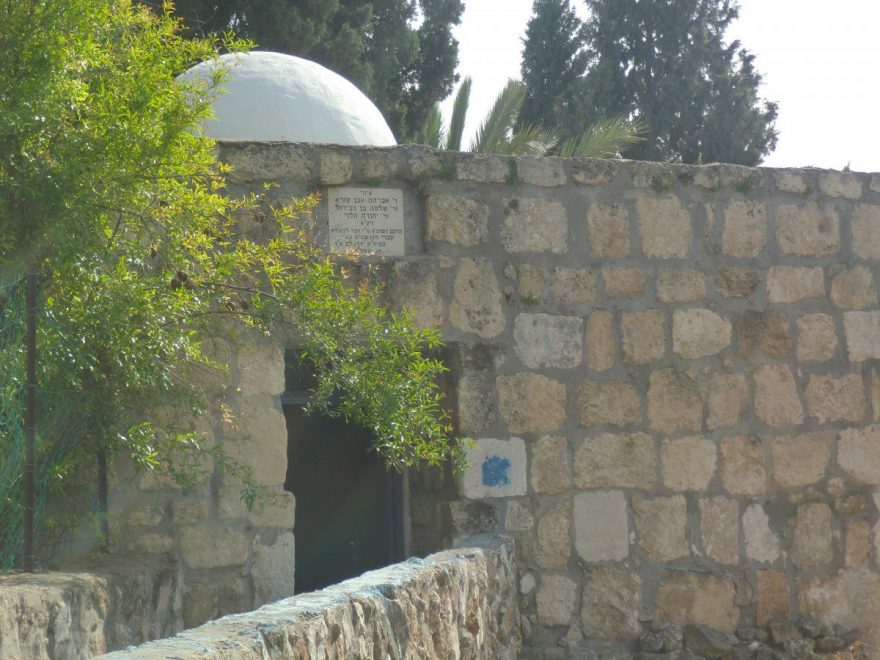
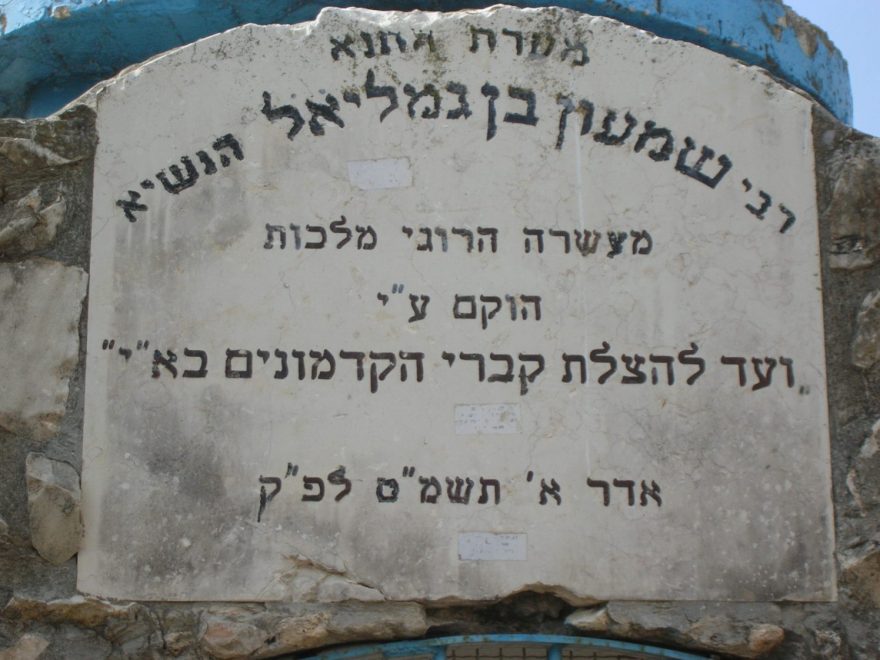
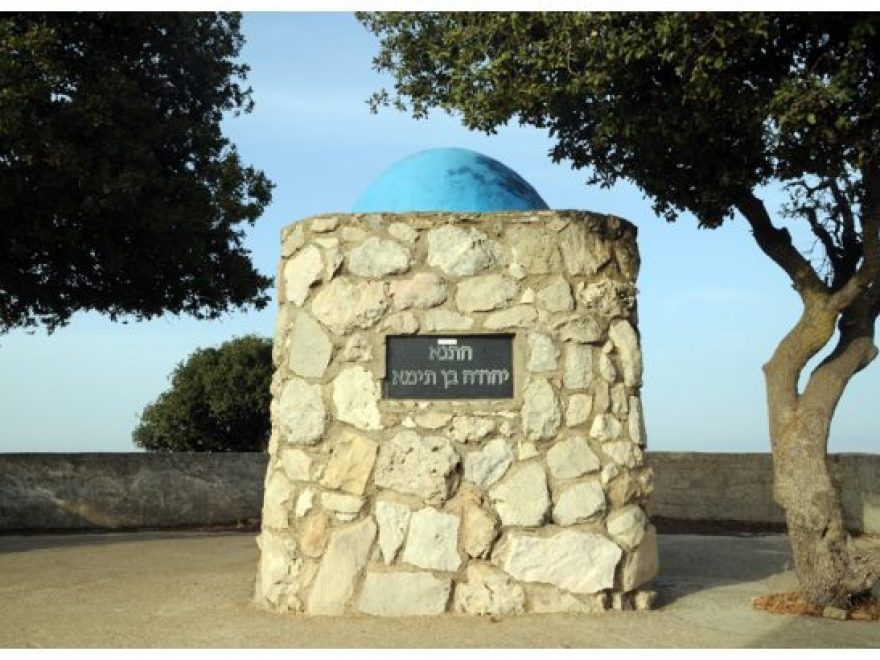
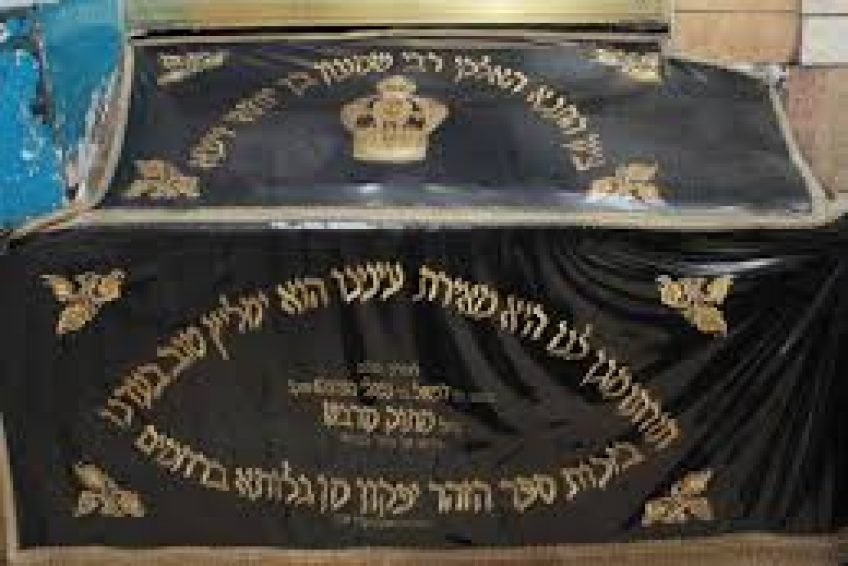
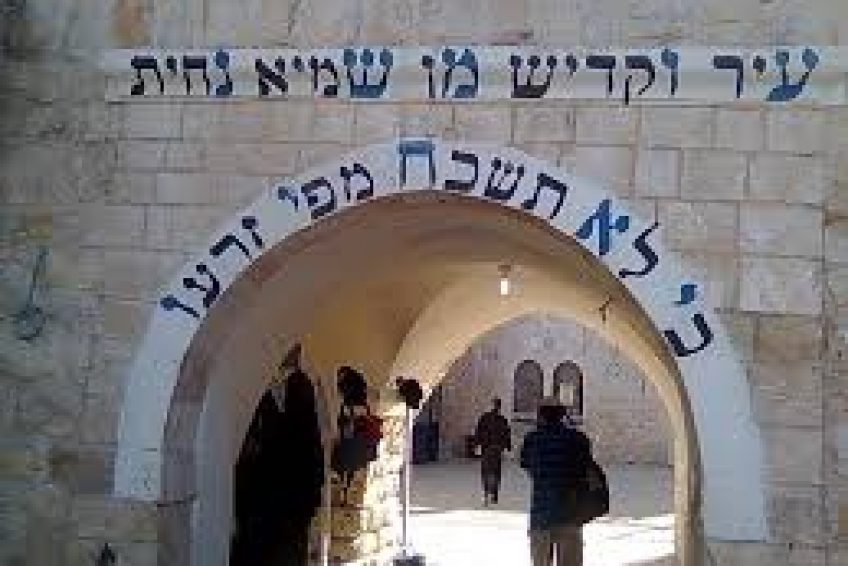
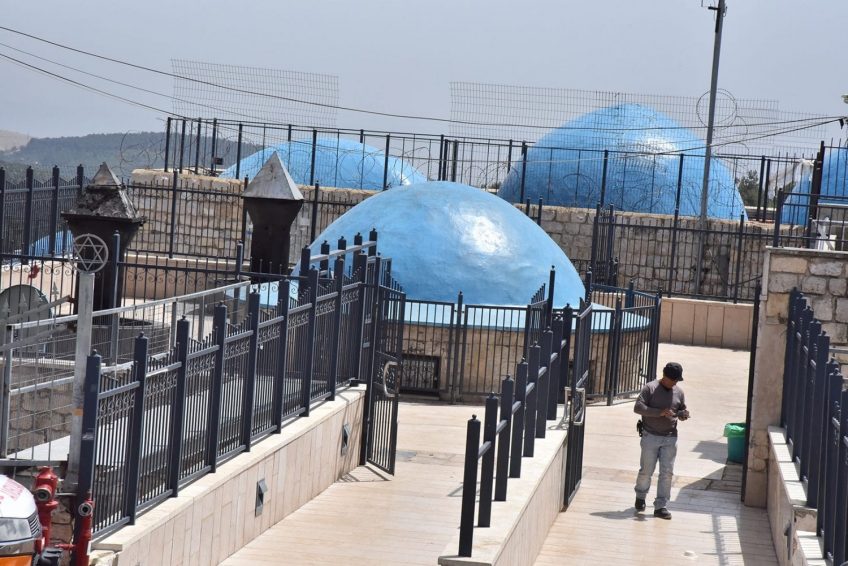
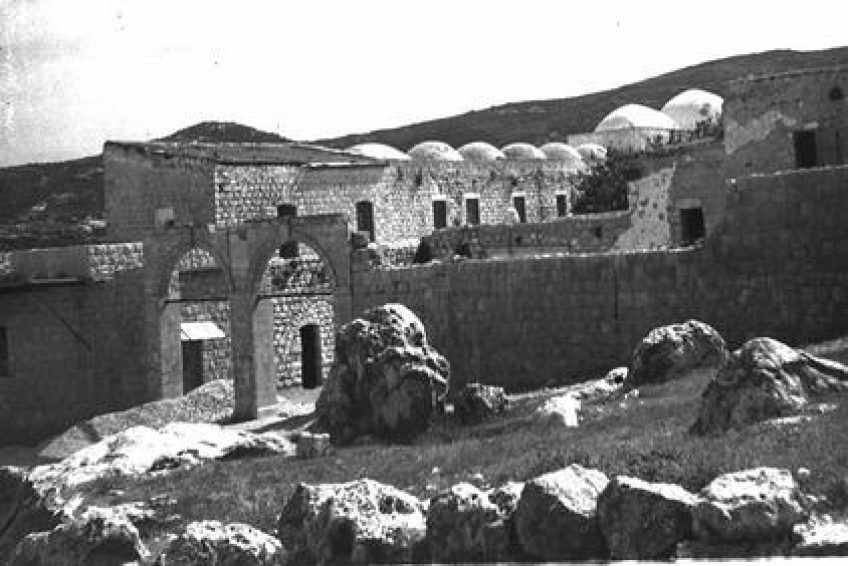
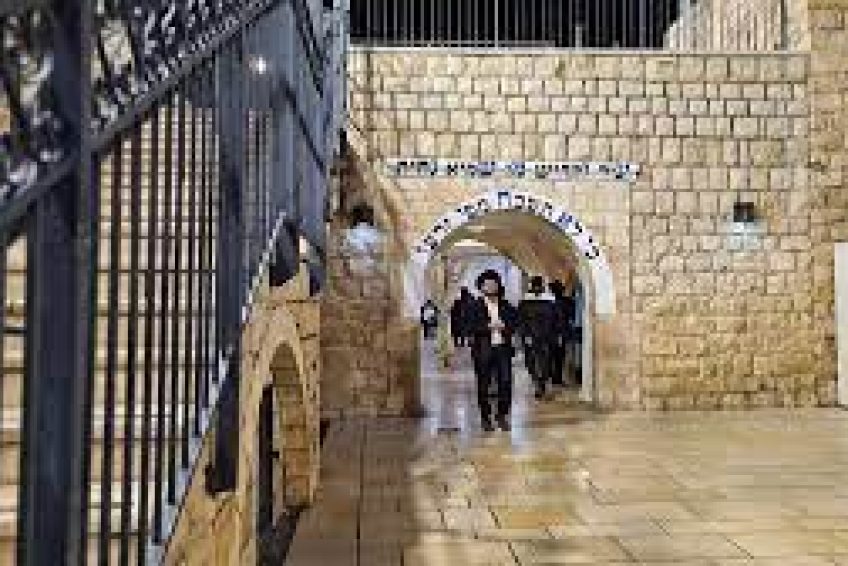
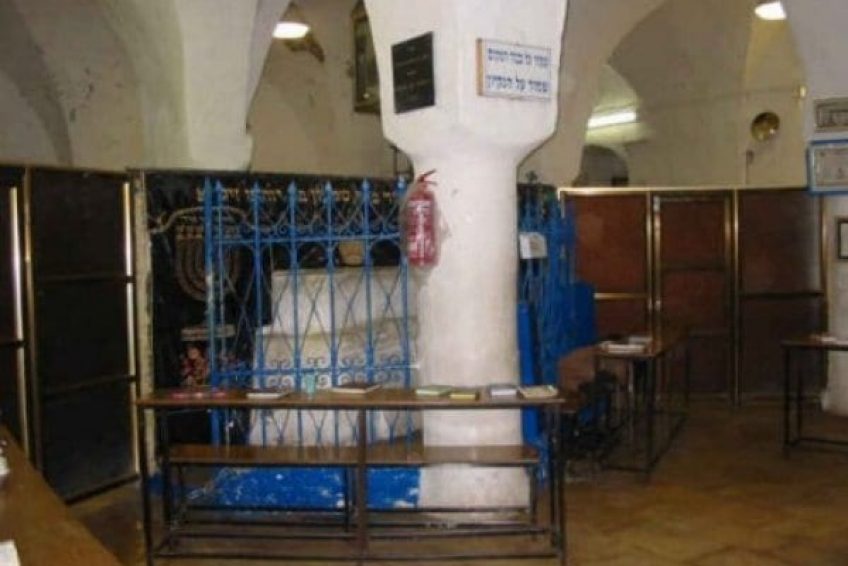
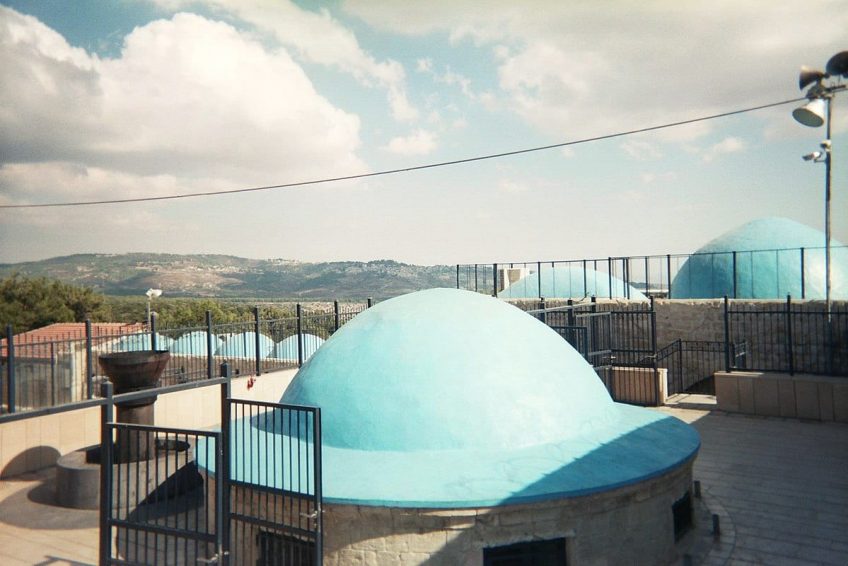
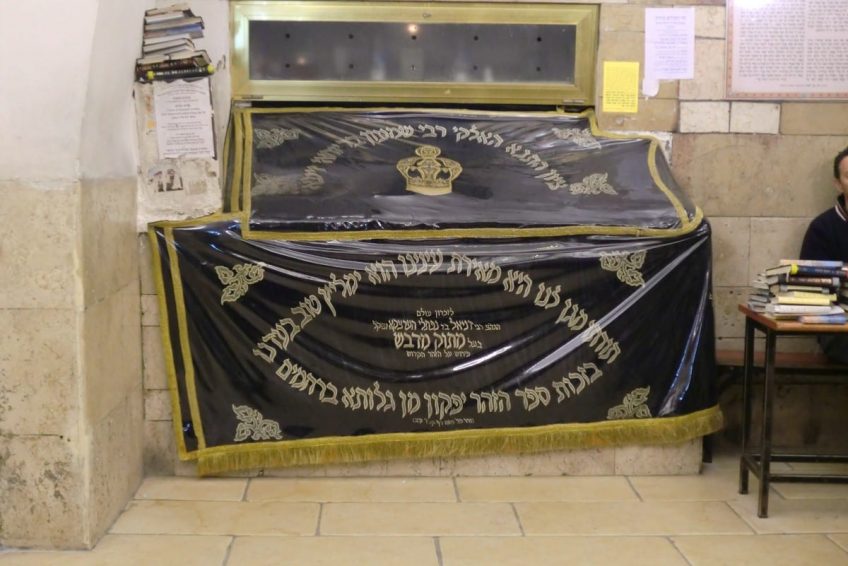
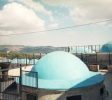
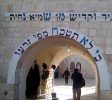
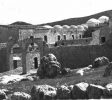
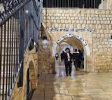
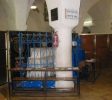
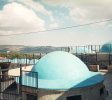
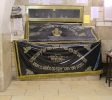
According to popular legend, he and his son, Eleazar b. Simeon, were noted Kabbalists.[3] Both figures are held in unique reverence by kabbalistic tradition. They were buried in the same tomb in Meron, Israel, which is visited by thousands year round.
Bar Yochai died on the 33rd day of the Omer, known as Lag BaOmer. On the day of his death, he revealed deep kabbalistic secrets which formed the basis of the Zohar. According to the Bnei Yissaschar, on the day of his death, bar Yochai said, “Now it is my desire to reveal secrets… The day will not go to its place like any other, for this entire day stands within my domain…” Daylight was miraculously extended until he had completed his final teaching and died. As such, the custom of lighting fires on his yahrzeit (anniversary of death) symbolizes this revelation of powerful light.
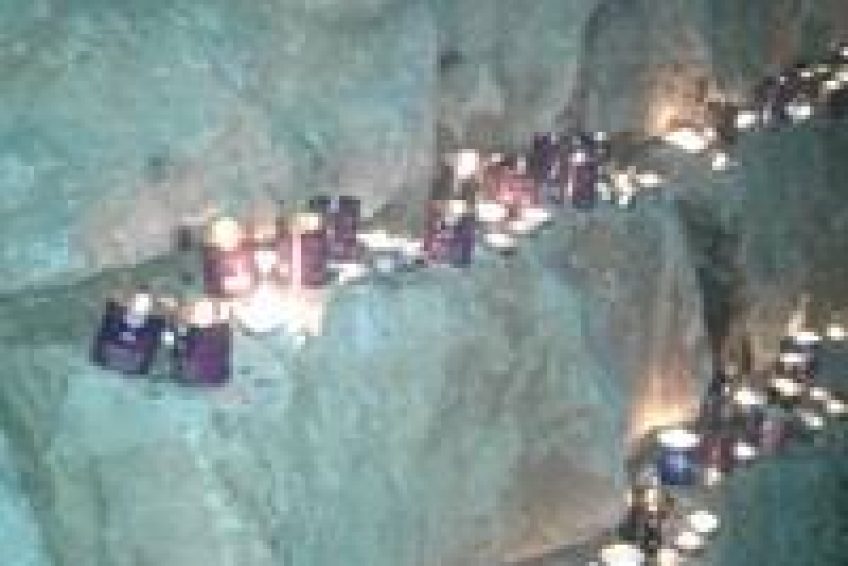
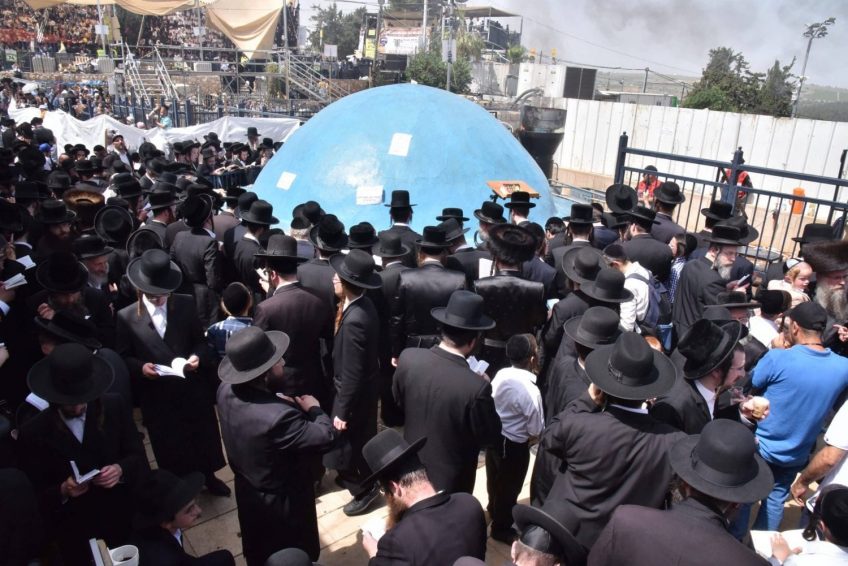
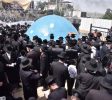
His yahrzeit is widely known as a Yom Hillula, a day of celebration. This is based on the original text of Shaar HaKavanot by Rabbi Chaim Vital, which refers to the day as Yom Simchato (“the day of his happiness”), rather than Yom SheMet (“the day that he died”). There is thus a very widely observed custom to celebrate on his yahrzeit at his burial place in Meron. With bonfires, torches, song and feasting, the Yom Hillula is celebrated by hundreds of thousands of people. This celebration was a specific request by Rabbi Shimon bar Yochai of his students. Some say that as bar Yochai gave spiritual light to the world with the revelation of the Zohar, bonfires are lit to symbolize the impact of his teachings. As his passing left such a “light” behind, many candles and/or bonfires are lit here as well as in locales throughout Israel and the Diaspora.
Yahrzeit customs at the tomb
Bonfires
At the tomb of Rabbi Shimon, the honour of lighting the main bonfire traditionally goes to the Rebbes of the Boyaner dynasty. This privilege was purchased by Rabbi Avrohom Yaakov Friedman, the first Sadigura Rebbe, from the Sephardi guardians of Meron and Safed. The Sadigura Rebbe bequeathed this honor to his eldest son, Rabbi Yitzchok Friedman, the first Boyaner Rebbe, and his progeny. The first hadlakah (lighting) is attended by hundreds of thousands of people annually; in 2001, the crowd was estimated at 300,000.
First haircut for boys
It is customary at the Meron celebrations, dating from the time of Rabbi Isaac Luria, that three-year-old boys be given their first haircuts (upsherin), while their parents distribute wine and sweets
Bar Yochai died on the 33rd day of the Omer, known as Lag BaOmer. On the day of his death, he revealed deep kabbalistic secrets which formed the basis of the Zohar. According to the Bnei Yissaschar, on the day of his death, bar Yochai said, “Now it is my desire to reveal secrets… The day will not go to its place like any other, for this entire day stands within my domain…” Daylight was miraculously extended until he had completed his final teaching and died. As such, the custom of lighting fires on his yahrzeit (anniversary of death) symbolizes this revelation of powerful light.
His yahrzeit is widely known as a Yom Hillula, a day of celebration. This is based on the original text of Shaar HaKavanot by Rabbi Chaim Vital, which refers to the day as Yom Simchato (“the day of his happiness”), rather than Yom SheMet (“the day that he died”). There is thus a very widely observed custom to celebrate on his yahrzeit at his burial place in Meron. With bonfires, torches, song and feasting, the Yom Hillula is celebrated by hundreds of thousands of people. This celebration was a specific request by Rabbi Shimon bar Yochai of his students. Some say that as bar Yochai gave spiritual light to the world with the revelation of the Zohar, bonfires are lit to symbolize the impact of his teachings. As his passing left such a “light” behind, many candles and/or bonfires are lit here as well as in locales throughout Israel and the Diaspora.
Yahrzeit customs at the tomb
Bonfires
At the tomb of Rabbi Shimon, the honour of lighting the main bonfire traditionally goes to the Rebbes of the Boyaner dynasty. This privilege was purchased by Rabbi Avrohom Yaakov Friedman, the first Sadigura Rebbe, from the Sephardi guardians of Meron and Safed. The Sadigura Rebbe bequeathed this honor to his eldest son, Rabbi Yitzchok Friedman, the first Boyaner Rebbe, and his progeny.[72] The first hadlakah (lighting) is attended by hundreds of thousands of people annually; in 2001, the crowd was estimated at 300,000.
First haircut for boys
It is customary at the Meron celebrations, dating from the time of Rabbi Isaac Luria, that three-year-old boys be given their first haircuts (upsherin), while their parents distribute wine and sweets
He was born in Galilee. He was one of the principal pupils of Rabbi Akiva, under whom he studied 13 years at Bnei Brak.
It would seem that R. Shimon had previously studied at Jabneh, under R. Gamaliel II and Joshua ben Hananiah, and that he was the cause of the quarrel that broke out between these two leaders. But considering that about forty-five years later, when Akiva was thrown into prison, Shimon’s father was still alive (see below), and that Shimon insisted upon Akiva’s teaching him even in prison, Frankel thinks Berachot 28a is spurious.
Shimon’s acuteness was tested and recognized by Akiva when he first came to him; of all his pupils Akiva ordained only Rabbi Meir and Shimon. Conscious of his own merit, Shimon felt hurt at being ranked after Meir, and Akiva was compelled to soothe him with soft words. During Akiva’s lifetime Shimon was found occasionally at Sidon, where he seems to have shown great independence in his halakhic decisions.
The following incident is recorded, illustrating both his wit and his piety, A man and his wife, childless despite ten years of marriage, appeared before Shimon at Sidon to secure a divorce. Observing that they loved each other, and not being able to refuse a request which was in agreement with rabbinical law, Shimon told them that as their wedding was marked by a feast they should mark their separation in the same way. The result was that both changed their minds, and, owing to Shimon’s prayer, God granted them a child.
Shimon often returned to Akiva, and once he conveyed a message to him from his fellow pupil Hanina ben Hakinai. Shimon’s love for his great teacher was profound. When Akiva was thrown into prison by Hadrian, Shimon (probably through the influence of his father, who was in favor at the court of Rome) found a way to enter the prison. He still insisted upon Akiva’s teaching him, and when the latter refused, Shimon jestingly threatened to tell his father, Yochai, who would cause Akiva to be punished more severely.[10] After Akiva’s death Shimon was again ordained, with four other pupils of Akiva, by Judah ben Baba
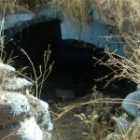
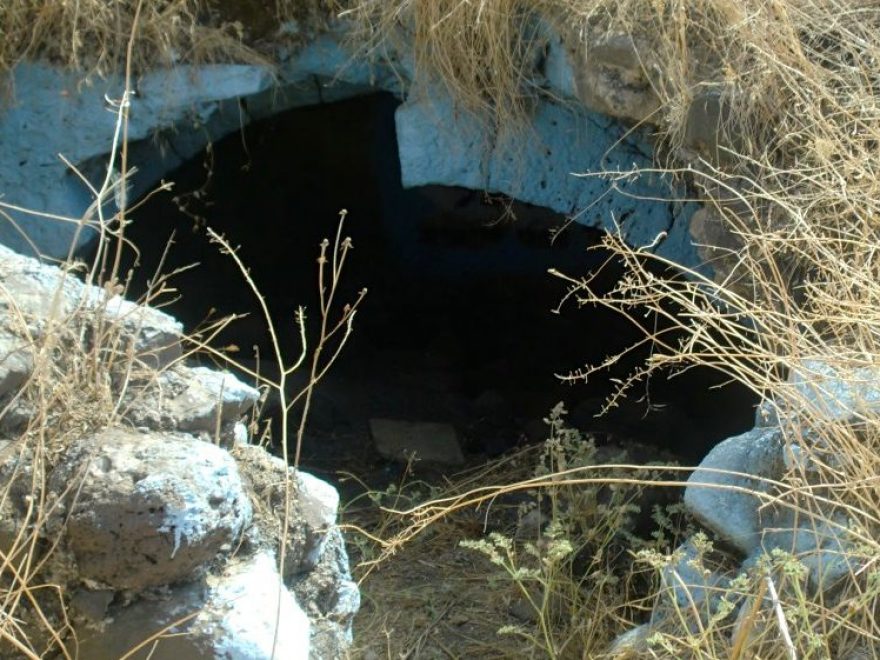
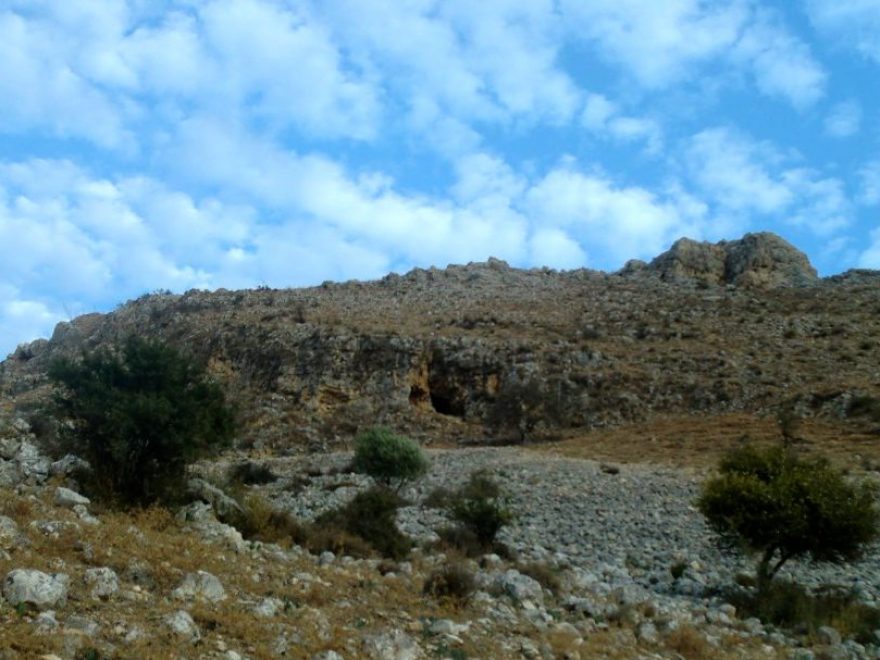
The persecution of the Jews under Hadrian inspired Shimon with a different opinion of the Romans than that held by his father. Shimon often demonstrated his anti-Roman feeling. When, at a meeting between Shimon and his former fellow pupils at Usha, probably about a year and a half after Akiva’s death (c. 126), Judah ben Ilai spoke in praise of the Roman government, Shimon replied that the institutions which seemed so praiseworthy to Judah were for the benefit of the Romans only, to facilitate the carrying out of their wicked designs. Shimon’s words were carried by Judah b. Gerim (one of his own pupils) to the Roman governor, who sentenced Shimon to death (according to Grätz, this governor was Varus, who ruled under Antoninus Pius, and the event took place about 161). Shimon was compelled to seek refuge in a cavern, where he remained thirteen years, till the emperor, possibly Hadrian, died.[12] Two different accounts of Shimon’s stay in the cavern and of his movements after leaving it are given in Shabbat[13] and in the five other sources just mentioned. The latter five sources (of which Yerushalmi Shevuot 9 38d seems to be the most authentic) relate, with some variations, that Shimon, accompanied by his son Eleazar (in Yerushalmi Shevuot, Shimon alone), hid himself in a cavern near Gadara, where they stayed thirteen years, living on dates and carob fruit, their whole bodies thus becoming covered with eruptions. One day, seeing that a bird had repeatedly escaped the net set for it by a hunter, Shimon and his son were encouraged to leave the cavern, taking the escape of the bird as an omen that God would not forsake them. When outside the cavern, they heard a bat kol say, “You are free”; they (or he) accordingly went their way. Shimon then bathed in the warm springs of Tiberias, which rid him of the disease contracted in the cavern, and he showed his gratitude to the town in the following manner:
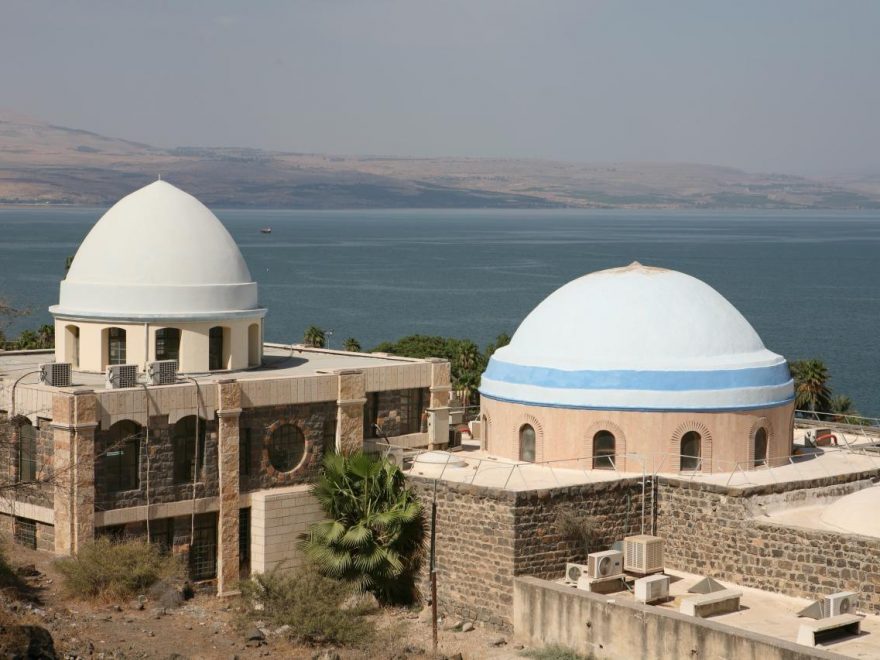
Tiberias had been built by Herod Antipas on a site where there were many tombs, the exact locations of which had been lost. The town therefore had been regarded as unclean. Resolving to remove the cause of the uncleanness, Shimon planted lupines in all suspected places; wherever they did not take root he knew that a tomb was underneath. The bodies were then exhumed and removed, and the town pronounced clean. To annoy and discredit Shimon, a certain Samaritan secretly replaced one of the bodies. But Shimon learned through the power of the Holy Spirit what the Samaritan had done, and said, “Let what is above go down, and what is below come up.” The Samaritan was entombed; and a schoolmaster of Magdala who mocked Shimon for his declaration, was turned into a heap of bones.
According to the version in Shabbat 33b,R. Shimon and R. Eleazar hid in a cavern, whereupon a carob-tree and a spring miraculously appeared there. In order to spare their garments they sat naked in the sand, in consequence of which their skin became covered with scabs. At the end of twelve years the prophet Elijah announced to them the death of the emperor, and the consequent annulment of the sentence of death against them. When they came forth R.Shimon observed people occupied with agricultural pursuits to the neglect of the Torah, and, being angered thereby, smote them by his glances. A bat ḳol then ordered him to return to the cavern, where he and R’ Eleazar remained twelve months longer, at the end of which time they were ordered by a bat ḳol to come forth. When they did so,R’ Shimon was met by his son-in-law Phinehas ben Jair who wept at seeing him in such a miserable state. But Shimon told him that he ought to rejoice, for during the thirteen years’ stay in the cavern his knowledge of the Torah had been much increased. Shimon then, in gratitude for the miracle that had been wrought for him, undertook the purification of Tiberias. He threw some lupines into the ground, whereupon the bodies came to the surface at various places, which were then marked as tombs. Not only was the man who mocked at Shimon’s announcement of the purification of Tiberias turned into a heap of bones, but also Shimon’s pupil and delator, Judah b. Gerim.